

























































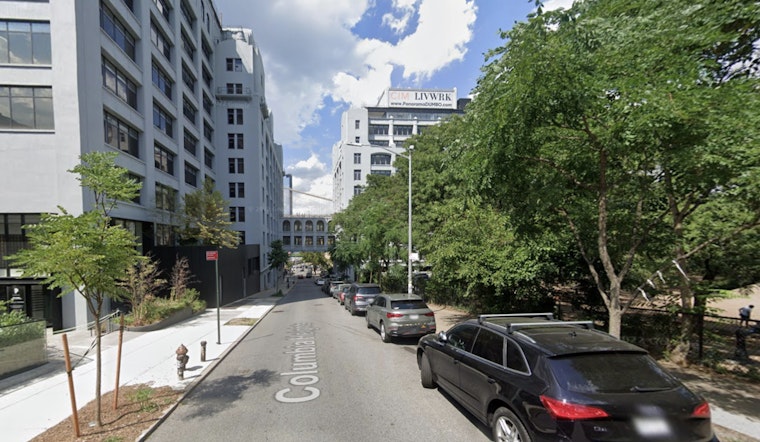
The long-vacant Watchtower complex at 25–30 Columbia Heights is in line for a major plot twist. CIM Group has filed formal plans to turn the former religious publishing hub into a sizable residential development, proposing roughly 661 apartments, with about a quarter of those units set aside as permanently affordable. The five-building site at the base of Columbia Heights has bounced through years of stop-and-start redevelopment pitches, from office conversions to a media studio, but this new application pivots squarely toward housing and neighborhood-serving uses. If it gets the green light, the plan would significantly reshape the footprint and purpose of a high-profile stretch of waterfront property near the Brooklyn Bridge.
Project scope and unit mix
Planning and environmental filings outline a rezoning that would shift the parcels from manufacturing use to a Special Mixed-Use district. The change would allow the campus to grow to roughly 925,000 gross square feet in total, including about 678,000 gross square feet of residential space. The proposal calls for 661 dwelling units, with approximately 25 percent of them, or about 165 to 166 apartments, committed under the city’s Mandatory Inclusionary Housing program. Materials filed with the state environmental review agency and the Department of City Planning lay out those figures and the requested zoning actions, as noted by NYSDEC.
What would change on the skyline
Early diagrams and renderings from the developer show two key vertical additions. The building at 25 Columbia Heights would rise from 12 to 17 stories and house about 392 apartments. Next door, 30 Columbia Heights would go from 13 to 14 stories and contribute roughly 269 units. Three lower-rise 19th-century buildings along the southern edge of the campus would stay in place, but the massing across the site would be reworked to carve out terraces, add rooftop landscaping, and introduce new ground-floor retail and community space, according to New York YIMBY.
Process and timeline
The Department of City Planning has kicked off environmental review, issuing a positive declaration and scheduling a public scoping session in March. That step triggers work on a Draft Environmental Impact Statement and formally starts the city’s Uniform Land Use Review Procedure, better known as ULURP. Public notices and the official ULURP entries are being posted in the City Record and on DCP’s online docket, and the application is slated to move next to Brooklyn Community Board 2, then to the borough president, and ultimately to the City Council for hearings and votes. Meeting information and filing details are listed in the City Record.
From Panorama offices to apartments
The five-building Columbia Heights campus last changed hands in 2016, when a joint venture that included CIM Group, LIVWRK, and Kushner Companies bought it for roughly $340 million. At the time, the complex was marketed as an office and retail destination branded “Panorama,” with plans that leaned heavily on workspace and a media facility. Those concepts never fully transformed the property into the bustling employment hub that had been envisioned, and portions of the site have remained underused. Local reporting has tracked that evolution and subsequent partner shifts; The Real Deal has chronicled the mixed-use ambitions, while Brooklyn Eagle covered the unveiling of a film studio and other piecemeal activations on the campus.
Community impact and tradeoffs
Analyses submitted with the application project a net increase of roughly 1,446 residents at the site once the conversion is built out. At the same time, because the plan would replace a large share of potential office space with housing, the filings anticipate a net loss of about 1,752 jobs by 2029. Those numbers are likely to figure prominently in testimony as the proposal winds through ULURP. The project still includes commercial and community facility space and several hundred parking stalls, but neighborhood groups and elected officials are expected to focus on affordability levels, spillover displacement pressures on nearby blocks, and broader public-benefit commitments during upcoming hearings. 6sqft highlights the Department of City Planning’s analysis and the key tradeoffs laid out in the environmental review.
“We want to transform largely vacant former industrial buildings into a thoughtful mixed-use residential community, including much-needed permanently affordable housing,” CIM’s vice president of development said in coverage of the filing, underscoring the company’s preference for the 25 percent Mandatory Inclusionary Housing option. The proposal now heads into months of required public review, and the fate of the Watchtower conversion will hinge on how it fares at community board meetings, in environmental review, and on the City Council floor before any construction can begin.




