

























































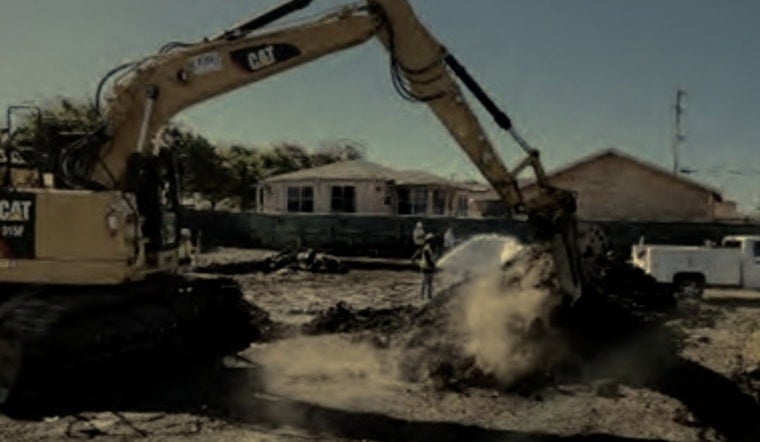
More than 200 affordable apartments and permanent-supportive units are finally moving forward across the Bay Area after state cleanup grants cleared contaminated land and let long-stalled projects break ground. The new housing stretches from Richmond to Emeryville to West Oakland and is slated to serve low-income households and people exiting homelessness. Local officials and developers say it is a rare two-for-one: polluted, idle lots get cleaned up, and neighbors who have struggled for housing get actual places to live.
As posted by DTSC, the tally follows a run of groundbreakings and ribbon cuttings that state cleanup money helped unlock. Officials say much of the progress traces back to the Department of Toxic Substances Control’s brownfields grants, which pay to investigate and remove contamination that would otherwise block reuse of infill lots.
200+ affordable homes for low-income & unhoused residents are coming to the Bay Area thanks to #DTSC funding to clean up contaminated land.
— DTSC (@CaliforniaDTSC) March 6, 2026
🏠🏡🌱
Today, Legacy Court in Richmond adds 43 homes — incl. 13 units for people exiting homelessness.
Learn more: https://t.co/gds2l6OCGP pic.twitter.com/Ba47WZlTeN
Where The Homes Are Coming
One of the most visible examples is Legacy Court in Richmond, where a former gas station site needed crews to haul away more than 900 tons of contaminated soil before anything could be built. The project is expected to deliver roughly 42–43 affordable units, with some reserved for people exiting homelessness, and DTSC and its partners marked the groundbreaking late last year.
In Emeryville, the Nellie Hannon Gateway was designed as a seven-story building perched above the Emeryville Citizens Assistance Program food bank. Cleanup work, funded in part by a $575,000 Equitable Community Revitalization Grant, has wrapped up. The project will provide about 90 affordable apartments, with dozens of units reserved for formerly homeless residents. Resources for Community Development notes that the design keeps the food bank on site while layering in housing and supportive services upstairs.
Across the East Bay, other projects tied to the same cleanup push include Ms. Margaret Gordon’s Westport at 2201 Brush Street in West Oakland, which is expected to offer roughly 59 affordable units. Another effort pairs housing directly with care: a Satellite Affordable Housing Associates and Native American Health Center development that is slated to add about 76 units next to health services. These milestones have been tracked by the Center for Creative Land Recycling, which reports that Equitable Community Revitalization Grant grantees are converting previously unusable parcels into homes and community-serving space.
How Cleanup Grants Unlocked The Projects
The projects were kick-started by the state’s Equitable Community Revitalization Grant program, created under the Cleanup in Vulnerable Communities Initiative to fund assessments, investigations and cleanups that make brownfields safe for reuse. DTSC says the program focuses on disadvantaged communities and has helped clear the environmental question marks that can make affordable infill projects prohibitively expensive.
An independent assessment from the Othering & Belonging Institute at UC Berkeley found that Equitable Community Revitalization Grant-funded projects have led to more equitable, community-led outcomes than traditional cleanup approaches, strengthening the argument that targeted cleanup dollars can function as an engine for affordable housing in polluted neighborhoods. Othering & Belonging Institute
Developers and advocates say these cleanups do more than remove health hazards. By resolving contamination issues, they also unlock layers of financing and approvals that can make affordable housing work on small, transit-rich parcels that might otherwise sit fenced off and empty. With multiple Bay Area projects now on track, state and local officials say the combined total enabled by these DTSC-backed cleanups has topped 200 units, a concrete outcome they argue will create permanent homes for people most affected by the region’s housing crisis.





