

























































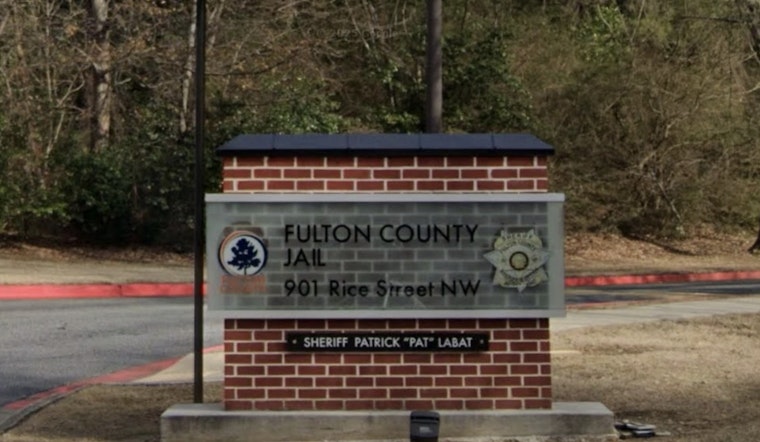
Sheriff Pat Labat is sending drones into the fight over contraband at the Fulton County Jail, rolling out a drone-as-first-responder program that he says will finally give his team "eyes in the sky" over the Rice Street lockup. The new system is designed to patrol the jail perimeter and intercept drone-delivered packages that have been slipping past deputies and straight into inmate housing.
Labat said the technology is meant to close a stubborn security gap that has allowed everything from drugs and cellphones to takeout food to rain down into the jail. Thursday's demonstration on the Rice Street roof served as the public debut of what the sheriff is pitching as a fresh layer of defense for the county's busiest and most scrutinized jail.
How the drone program will work
During a briefing at the Rice Street facility, Labat walked reporters through a live demonstration and said the drones will function as "first responders" whenever suspicious aerial activity pops up around the compound. According to WSB‑TV, the sheriff said there were nearly 300 unauthorized drone flights around the jail in the last six months of 2025, and the new fleet will focus on tracking those flights, finding the operators and documenting where packages land.
Company officials and the sheriff said the aircraft will provide rapid video and thermal imaging so deputies can quickly see where a drone dropped a bundle and who was standing nearby when it happened. The idea is that instead of guessing where contraband came from after the fact, investigators can watch the drop in real time and move in while suspects are still on scene.
What the technology is
The sheriff’s office is partnering with Flock Safety to deploy its Aerodome Drone‑as‑First‑Responder platform, a system that uses rooftop docks to automatically launch drones when an alert comes in. The Aerodome setup is designed to respond to suspicious aerial activity around secured sites like jails.
Flock and other vendors describe the Aerodome DFR as able to integrate with 9‑1‑1 systems, auto-launch to calls for service and feed live aerial video to first responders while they are still en route. The goal is to give law enforcement a fast overhead view before anyone even steps out of a patrol car. For more on the platform’s capabilities, see Flock Safety.
Why the sheriff says it’s needed
Officials framed the drone rollout as part of a broader, court-driven push to fix long-standing security failures at Rice Street. The county is operating under a consent decree with the U.S. Department of Justice that requires sweeping reforms at the jail, and a federal monitor’s report cited drone drops as one of the ways contraband has made it into cells, according to the Justice Department summary and reporting by the Atlanta Journal‑Constitution.
The Atlanta Journal‑Constitution also reported that Labat hopes to eventually field as many as 19 drones. The first operational unit is docked on the jail roof with a range of roughly 3 to 4 miles and about 45 minutes of flight time. Labat said the purchase is being covered by the Fulton County Sheriff’s Foundation rather than the county’s general fund, a point he highlighted as the county continues to wrestle with jail costs.
Privacy and community concerns
Not everyone is cheering the arrival of more law enforcement hardware in the sky. Civil-liberties groups have long warned that expanding police drone and camera networks can quietly turn into broad surveillance systems, especially when they are tied into private vendors’ platforms.
Flock-branded tools in particular have come under fire from privacy advocates, who say the company’s camera and license-plate reader networks have been used for wide-ranging, sometimes poorly documented searches. The Electronic Frontier Foundation’s reporting and analysis in 2025 found extensive agency queries across Flock’s systems and warned that weak oversight can lead to misuse. Activists say the same concerns will apply to drones if strict limits and public transparency are not built in from the start.
Local advocates and privacy organizations say they plan to press for detailed rules on how drone footage is stored, who can access it and how long it is kept. Those safeguards are expected to be central to the public debate as the program moves through its testing phase.
Legal implications
The consent decree requires Fulton County and the sheriff to improve inmate safety, staffing and security systems. Falling short could trigger court-ordered remedies, more intensive monitoring or even limits on how many people the jail is allowed to hold, according to the Department of Justice’s case materials.
Attorneys and advocates argue that any new surveillance tools need to be folded into the jail’s formal accountability plans so that the court and the independent monitor can track how the drones are used and whether they comply with both the consent decree and constitutional protections.
Labat and Flock executives stressed that the drone program is aimed at stopping illicit deliveries, not policing neighborhood residents, and said trained deputies will operate the system as one piece of a larger security overhaul. The sheriff has said he wants to build a countywide network with partner agencies, using shared technology to clamp down on contraband before it ever reaches a cell.
Officials on both sides agree that the next several weeks of testing will be critical. Supporters hope the program will finally close a dangerous security gap, while skeptics are watching to see whether it creates new privacy or civil-liberties problems in the process. For the initial report and on-site demonstration, see WSB‑TV.





