

























































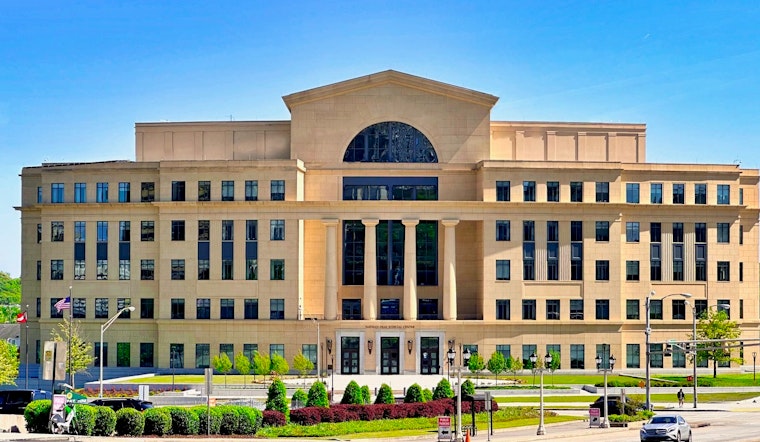
Georgia’s top judge has effectively told lawmakers the state’s system for handling claims of bad lawyering in criminal cases is falling apart and needs a serious overhaul. Chief Justice Nels Peterson said decades of court rulings have created a patchwork post-conviction process that drags out cases, burns through time and money, and can leave any retrial tougher to conduct fairly. In a blunt note to the General Assembly, he made it clear this is a structural problem the judiciary cannot fix on its own.
Peterson laid out his critique in a written opinion that six other justices joined, using a recent appeal out of Toombs County to show how the system works in practice. In that case, the court turned away an inmate’s ineffective-assistance claim on procedural grounds even as the opinion practically begged lawmakers to repair the broader framework. As reported by The Atlanta Journal-Constitution, Peterson wrote that “Georgia’s post-conviction litigation system is a mess” and said only legislative action can untangle years of precedent.
The underlying case traces back to the double shooting deaths of Latorey and Pamela Harden in Vidalia. The Georgia Bureau of Investigation announced an arrest in January 2022, and according to a GBI press release, agents apprehended Joshua Sanders after the killings. Local coverage reports that a Toombs County jury convicted Sanders in May 2023 on 15 counts, including malice murder, and a judge ordered consecutive life sentences without the possibility of parole. Georgia Bureau of Investigation and WTOC.
What The Chief Justice Asked Lawmakers To Do
Peterson urged legislators to create a clearer, single statutory route for raising ineffective-assistance claims instead of forcing defendants and lawyers to navigate a maze of separate motions that are often tossed on technicalities. He floated the idea of channeling most of these challenges into one vehicle, such as a petition for release or a uniform post-conviction procedure, so public defenders and prosecutors are not re-litigating the same issues in multiple procedural wrappers. As The Atlanta Journal-Constitution notes, he also cautioned that any serious fix will require lawmakers to plan for “budget shifts” inside the justice system.
Why It Matters
Georgia’s courts and indigent-defense network are already stretched thin, and every new reform has to compete with other spending priorities under the Gold Dome. State records and legislative materials on court operations and the judicial budget show the Public Defender Council and the court system are major budget line items and have raised alarms about data gaps and case backlogs that can make later retrials harder to manage. Those records underscore how structural problems today can ripple into future cases. See state legislative records on court data and budget pressure for context. State legislative records.
Next Steps
By flagging the problem in an opinion without rewriting the rules from the bench, Peterson has effectively tossed the issue to the General Assembly. Lawmakers will now have to decide whether to draft a new statute or assign a committee to design a comprehensive post-conviction framework. Legal advocates say the coming fight will likely center on two questions: whether to prioritize a cleaner, more predictable process, whether to pour in more funding for indigent defense, or how to balance both goals at once.
Legal Implications
Under current Georgia precedent, many ineffective-assistance claims are vulnerable to procedural bars if they are not raised at the earliest practicable moment, a strict approach the high court itself now says has produced unfair results in some cases. The justices noted that certain avenues, including petitions for release and habeas corpus actions, still exist for some defendants. Even so, Peterson stressed that only a legislative rewrite can reestablish a coherent, uniform process for post-conviction review across the state.



