

























































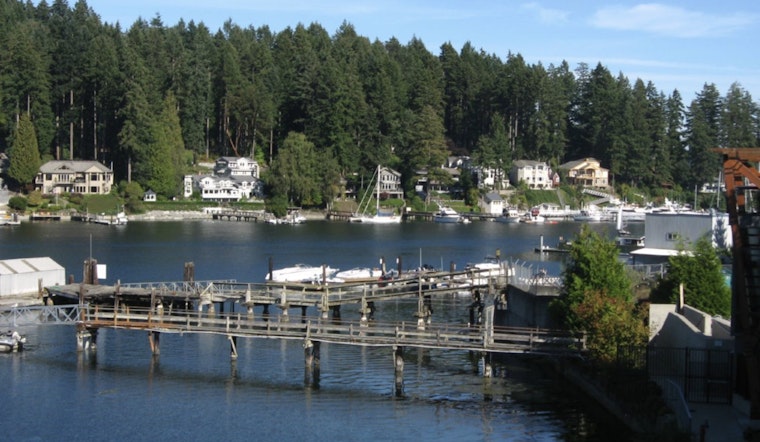
Gig Harbor is on track to tighten where people can build near streams and wetlands under a draft rewrite of the city's critical areas code, and a lot of building envelopes could be shoved back in the process. The proposal would widen no-build buffers beside many waterways and wetlands, in some cases by dozens or even hundreds of feet. It also would increase minimum riparian and wetland buffers for higher value habitats and layer on extra mitigation and monitoring for projects that step into those protected zones. City staff say the intent is to better protect water quality, salmon habitat and groundwater recharge while the draft rules move through public review this spring.
Under Washington law, local governments have to use the state's "best available science" when they update wetland protections. That scientific framework shapes how buffer widths and mitigation requirements are set, and it is the baseline for Gig Harbor's rewrite, according to the Washington Department of Ecology.
City staff drafted the revisions last year and began reviewing the city's critical areas code in mid-2025, and Community Development Director Eric Baker walked residents through the proposal in early March. The city has mailed more than 2,000 postcards to people with property within about 300 feet of a wetland or stream to flag the potential changes, according to Gig Harbor Now. That outlet also reports that staff plan additional public meetings, will take comments and will send the draft to the Planning Commission before the City Council weighs adoption in June.
What the draft sets as new minimums
The draft code introduces a new buffer table that would set stream buffers at 200 feet for Type 1 streams, 100 feet for Type 2, 50 feet for Type 3 and 25 feet for Type 4. On the wetlands side, it would raise minimum buffers for higher value wetlands, with some Category I and II wetlands listed with buffers up to 300 feet, and it would tighten the rules for when averaging or reductions are allowed. Those buffer distances and other technical standards are laid out in the draft update posted by the City of Gig Harbor.
Who will be affected
According to city staff, the new rules are intended to apply to future development and would not retroactively strip approvals from existing or already permitted projects. Additions and new construction near buffers that expand under the new code, however, could trigger extra studies and mitigation. As reported by The News Tribune, that setup means most homeowners would not lose their houses, but future work on properties inside the new buffers could be more expensive and complicated.
"Buffers are intended to be left alone or improved," Baker told Gig Harbor Now. Staff have also noted that the hearing examiner's reasonable use process will remain available for lots that are truly constrained by the protections.
Next steps and how to weigh in
The city is lining up public outreach and Planning Commission hearings for this spring, with staff aiming to bring the package to the City Council for action in June. The draft and supporting materials are posted by the Community Development Department.
Residents can review the draft code language and instructions for submitting comments on the city's planning page and can contact the Community Development office at the Civic Center, 3510 Grandview St., Gig Harbor. Contact details are listed on the City of Gig Harbor Community Development site.





