

























































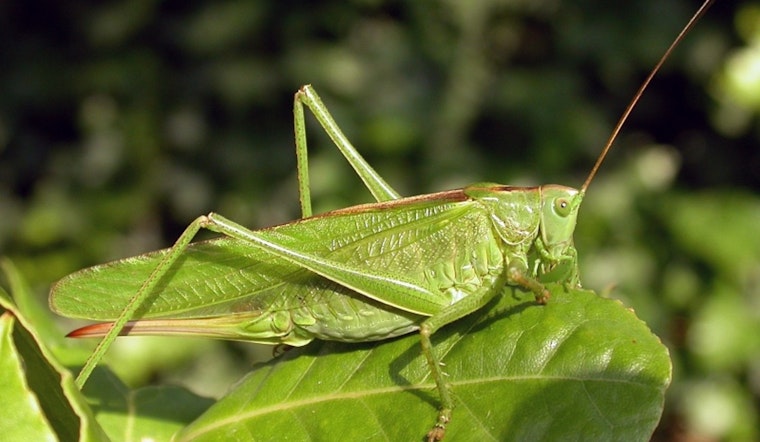
Los Angeles yards are hopping, and not just with weekend gardeners. Angelenos across the city are spotting way more grasshoppers than usual in lawns, parks, and hillside stretches. The sudden swarm has some people eyeing their seedlings in panic, but entomologists say the spike is tied to the weather and tends to be short-lived. For most homeowners, the smarter move is patience plus a few low-tox solutions, not a blitz of insecticide.
Why you're seeing more grasshoppers
Grasshoppers typically spend the winter as eggs tucked into undisturbed soil, then hatch when warming ground temperatures and lush spring growth give young nymphs plenty to feed on. The UC Statewide Integrated Pest Management Program notes that “in some years large populations may build up in foothills and rangelands, especially after a wet spring,” according to UC IPM. Montana State's extension material adds that once those well-fed adults finally make it into residential yards, “management is extremely difficult.”
What local experts are saying
Local entomologists told LAist that even if your garden looks like a miniature remake of a bug movie, this is not a desert locust-style catastrophe. Lynn Kimsey, a distinguished professor emerita at UC Davis, told the outlet, “In a true outbreak, they would be crossing roads by the thousands,” a far cry from what LA is seeing now.
UC Agriculture and Natural Resources adviser Eric Middleton explained to LAist that the recent wet winter followed by warm days set the stage for certain species to boom and then wander into neighborhoods. Among the culprits are the gray bird grasshopper, which grows to about 2–3 inches, and the smaller valley grasshopper, which reaches around an inch.
How to protect your garden (and why to avoid spraying)
If grasshoppers start snacking on tender seedlings, UC IPM recommends simple, targeted tactics such as handpicking, putting up temporary netting or floating row covers, and planting trap-border strips to lure insects away from prized plants instead of reaching for broad-spectrum sprays. The program cautions that many insecticides do a poor job on full-grown adults and can also hit pollinators and other beneficial insects.
Montana State's extension materials back up that approach, suggesting practical barriers like metal-screen borders and biological baits that only work on small nymphs. The catch is that timing is crucial: early, focused intervention on young grasshoppers is more effective than trying to wipe out large, mobile adults later in the season.
When will this pass
Both Middleton and Kimsey told LAist they expect the current surge to fade as the season wears on. Predators, disease, and the natural drying of vegetation should knock numbers down by summer. As Middleton put it, “This too shall pass” - advice that, for now, is both easier and safer than dousing the yard with chemicals.



