

























































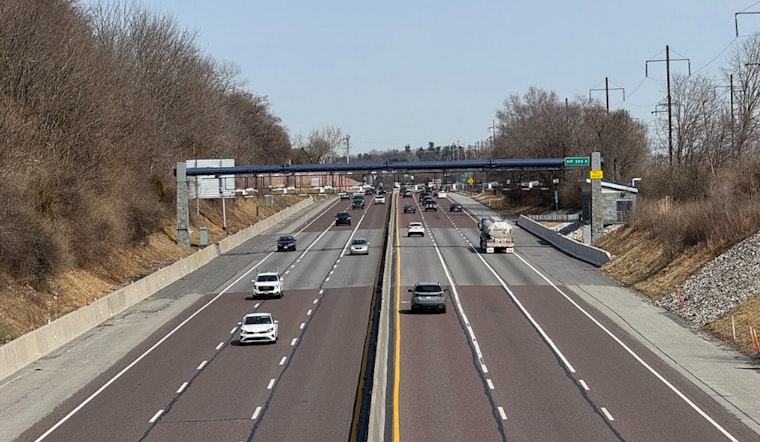
Pennsylvania lawmakers are rolling out a hard-line plan for repeat toll dodgers on the Pennsylvania Turnpike, floating tougher penalties that could turn some unpaid bills into criminal cases. Supporters say they are tired of watching chronic scofflaws run up tabs while everyone else quietly pays more to cover the gap. The push comes as the Turnpike steps up collection efforts and inches toward systemwide open-road tolling.
According to Axios, Senate President Pro Tempore Kim Ward (R-Westmoreland) and Sen. Judy Ward (R-Blair) have circulated a memo outlining legislation that would create a criminal trespass offense for drivers who keep using the Turnpike while under active suspension for unpaid tolls. The memo says anyone who deliberately piles up more than $10,000 in unpaid tolls could face a fare-evasion charge punishable as a third-degree felony, with the bill expected to be introduced in the General Assembly soon.
That move is set against a sizable backlog of unpaid bills. Reporting based on the commission's Revenue Assurance Plan put uncollected tolls at roughly $237 million last year, according to Pittsburgh Union Progress. The Pennsylvania Turnpike Commission says it operates about 565 miles of tolled roadway across the state, a scale that helps explain how even small bumps in nonpayment can snowball into big losses.
What the bill would change
Under the draft language described in the memo, driving on the Turnpike after a registration suspension would shift from being a purely administrative problem to a criminal trespass offense. In practical terms, that could open the door to arrest or prosecution for repeat cases, instead of just more warning letters. Lawmakers backing the plan say it is aimed at a relatively small group of "egregious" offenders who keep cruising past the cameras despite multiple notices and suspensions.
How enforcement already works
The Turnpike has already been ramping up civil collections and referrals to the attorney general for the worst of the worst. It leans on license-plate recognition technology and registration suspensions to pressure repeat violators. CBS Pittsburgh reports that the commission has referred more than 100 cases for civil action and says roughly 92 to 94 percent of transactions are collected within 60 days. The proposal is aimed squarely at that stubborn minority of accounts that stay unpaid long term.
Toll hikes and the math
The timing is not accidental. The legislation arrives just after a 4 percent toll hike that took effect in January 2026, part of the Turnpike's long-running rate schedule tied to debt and infrastructure work. The commission's 2026 toll schedule bumped the most common E-ZPass passenger toll from $1.86 to $1.94 and the typical Toll-By-Plate charge from $3.72 to $3.88, according to the PA Turnpike Commission. With rates edging up again, lawmakers are eager to show they are not letting habitual nonpayers skate.
Legal considerations
If the bill becomes law, prosecutors would gain new discretion to seek criminal trespass or fare-evasion charges for drivers who repeatedly use the Turnpike after a suspension or who rack up very large unpaid balances. Civil-collection advocates argue that stiffer penalties could scare off would-be freeloaders. Defenders of due process are expected to push for clear safeguards so routine billing glitches or short-lived nonpayment do not suddenly become criminal matters.
What is next
The memo signals that lawmakers plan to formally introduce the legislation in the General Assembly in the coming weeks. From there, it would face the usual gauntlet of committee hearings and floor votes, assuming it draws enough bipartisan interest. Expect the fight to center on whether criminal penalties are the right fix for a revenue hole or whether the smarter move is to double down on civil-collection tools, better billing tech, and tighter interstate cooperation so the real toll dodgers feel the heat without ensnaring everyone else.





