

























































Pennsylvania state Sen. Amanda Cappelletti is pushing a bill that would sharply curb where federal immigration agents can make civil arrests in the state. Senate Bill 1193 would bar civil immigration arrests inside, or within 1,000 feet of, state-owned buildings and local government facilities unless officers present a judicial warrant. The proposal would also let people who believe they were unlawfully arrested in violation of these rules sue for damages and attorney fees.
What's in the bill
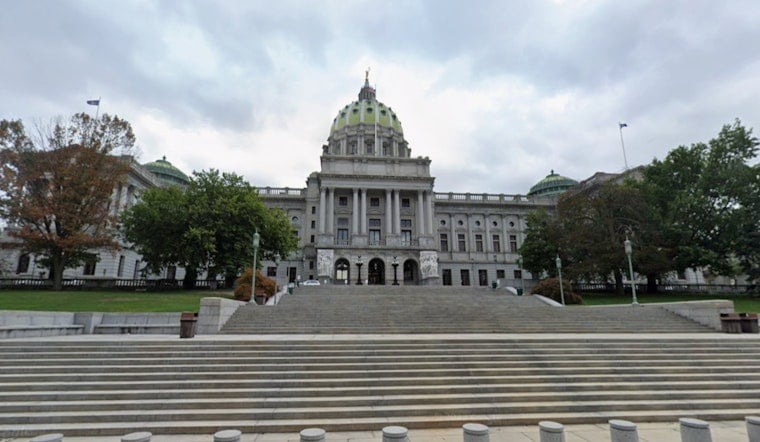
According to the bill text posted by the Pennsylvania General Assembly, the prohibition would apply to "State facilities," which are defined to include agencies under the governor's authority, public benefit corporations and political subdivisions. The measure lists examples such as PennDOT offices, state museums and the Pennsylvania Capitol Building.
In those locations, officers would need a "valid judicial warrant or judicial order" before carrying out a civil immigration arrest. The bill carves out an exception for arrests that are directly related to a judicial or administrative proceeding taking place inside the facility.
SB1193 also spells out remedies for people who successfully challenge an arrest, including actual damages or $500, whichever is greater, as well as punitive damages, injunctive relief and attorney fees.
Sponsors and process
SB1193 was introduced by Sen. Amanda Cappelletti and is filed as PN 1469. Tracking services show it was sent to the Senate Judiciary Committee on Feb. 27, 2026. LegiScan lists several Democratic co-sponsors, including Christine Tartaglione, Sharif Street and Art Haywood.
What happens next in a closely divided legislature is anyone's guess. It remains unclear whether Republican leaders will give the bill a hearing, allow amendments or simply let it sit.
What supporters say
Cappelletti has framed the proposal as a response to what she describes as an increase in warrantless activity by federal immigration officials and a pullback in federal protections for so-called sensitive locations. "We have all seen ICE agents kidnap, terrorize, and even kill our neighbors," she said, in language reported by Tri‑State Alert.
Her co-sponsorship memo to Senate colleagues, titled "Keep ICE Off Pennsylvania’s Property," argues that the Commonwealth has the authority to protect access to courts and public services and to ensure that state and local government buildings remain safe and accessible to the people who need them.
How courts have ruled elsewhere
Backers point to a patchwork of federal court rulings that, in several instances, have allowed states to put limits on how and where federal immigration enforcement happens. A Ninth Circuit opinion largely upheld California statutes that restricted cooperation with federal immigration officials, according to records on Justia.
In Illinois, a federal judge dismissed Department of Justice claims attacking that state's sanctuary-style laws, per the Civil Rights Litigation Clearinghouse. New York's rules that limit immigration arrests in and around courthouses have also drawn federal challenges and generated a mixed record of decisions and filings that Pennsylvania lawmakers are watching closely.
Politics and timing
The bill arrives as the Shapiro administration has signaled opposition to proposed ICE detention centers in Pennsylvania and has said it will look at regulatory tools and permit reviews to push back, according to a release from the governor's office. Supporters say SB1193 is aimed at preserving access to courts, schools and benefits offices for immigrant residents who might otherwise stay away out of fear.
Opponents, once they formally weigh in, are expected to argue that the measure could collide with federal immigration authority and invite a legal showdown.
Legal implications
Litigation is likely if SB1193 moves forward, and its sponsors point to the Tenth Amendment and anti-commandeering principles as the legal backbone for state action. At the same time, the exact line between a state's power to control what happens on its own property and the federal government's primacy over immigration enforcement is still being drawn in the courts.
Judges have treated similar questions differently depending on the specific law and the court in which it was challenged. Observers note that precedent such as Printz v. United States, along with later decisions, will likely be central to how any future challenge to SB1193 is analyzed.
Next steps
For now, SB1193 sits in the Senate Judiciary Committee as PN 1469, with no public hearing on the calendar. Tracking services list the Feb. 27 referral as the most recent action.
If committee chairs agree to schedule a hearing, supporters and critics will get their first formal chance to argue the legal and policy stakes in public. Until then, the bill stands as a clear state-level bid to push back on federal immigration operations in the very places Pennsylvanians go to get their licenses, visit museums and conduct everyday business with their government.





