

























































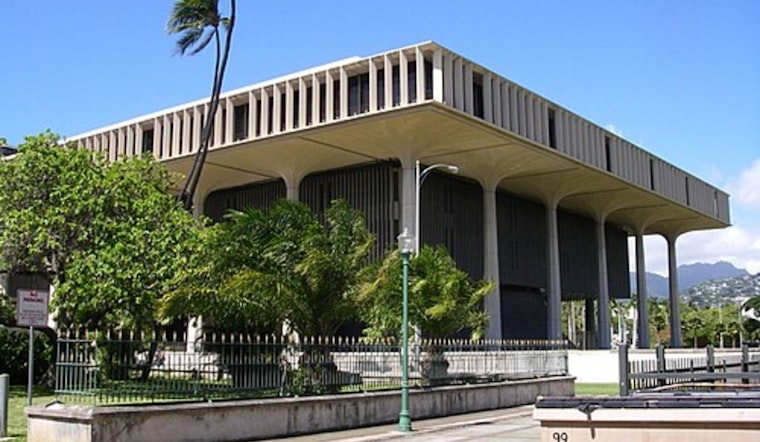
Hawaii lawmakers are moving to put the state’s new green-fee cash under a brighter spotlight, pushing for a one-stop public “scoreboard” that tracks every dollar. At the Capitol this week, the House advanced a measure that would build a single online dashboard and standardize reporting across agencies that receive the fee. Supporters say the idea is simple: if the state is about to pour tens of millions into climate and conservation projects, residents should not have to play detective to see where the money goes.
House Bill 1949, HD1, would set up a Green Fee Transparency and Accountability Program and a Green Fee Resiliency Impact Dashboard, both housed under the Hawaiʻi Climate Change Mitigation and Adaptation Commission. According to the bill text on LegiScan, the dashboard is intended to show annual and cumulative revenues, allocations and appropriations by project and agency, project-level expenditures and obligations, project descriptions, timelines, performance indicators, and environmental or tourism outcomes. The bill also creates uniform reporting standards, gives agencies 30 calendar days to respond to data requests, and seeks an appropriation for building and maintaining the dashboard.
Where the bill stands
The House Tourism Committee cleared HB1949 in early March as part of a broader package on responsible and sustainable tourism. The measure has since moved toward the powerful Finance committee for a closer look at costs and implementation. Kauai Now covered the committee vote, while Pacific Business News reported on the wider effort to lock in clear reporting rules around the green fee.
Who is asking for the tracking
Pressure for tighter oversight has been building from conservation groups, community stewards and sustainability networks that have watched the green-fee debate unfold. They argue that residents should be able to quickly see not only who gets funded but also what results those projects deliver. Hawaiʻi Green Growth and other advocates have praised the proposed dashboard as a basic tool for public trust, and local reporting has shown lawmakers from multiple islands pressing for transparency during hearings. Hawaiʻi Public Radio noted that supporters said the dashboard would help track money for coral restoration, invasive-species removal and watershed protection work.
Why it matters now
The timing is not an accident. The dashboard push follows last year’s passage of Act 96, Hawaii’s green-fee law, which raised the transient accommodations tax and is expected to generate roughly $100 million or more each year for environmental stewardship, climate resilience and sustainable tourism. The Green Fee Advisory Council has already identified priority projects for early funding, which makes the call for a single public accounting system more urgent in the eyes of watchdogs and community leaders. Maui Now detailed the council’s recommendations and priorities, including dozens of proposed projects across the islands.
What comes next
The bill asks for state funds to build and maintain the dashboard, and it would require the commission to submit an annual summary to the Legislature and county mayors by December 1 each year starting in 2026. Legislative records show that HB1949 advanced through committee this month and has been reported out of Finance with a recommendation for passage, according to the bill text and status on LegiScan. Whether the dashboard lives up to its promise will depend on how much money lawmakers actually appropriate for the build, how effectively the commission can collect standardized data, and how quickly state and county agencies adapt to the new reporting rules.



