

























































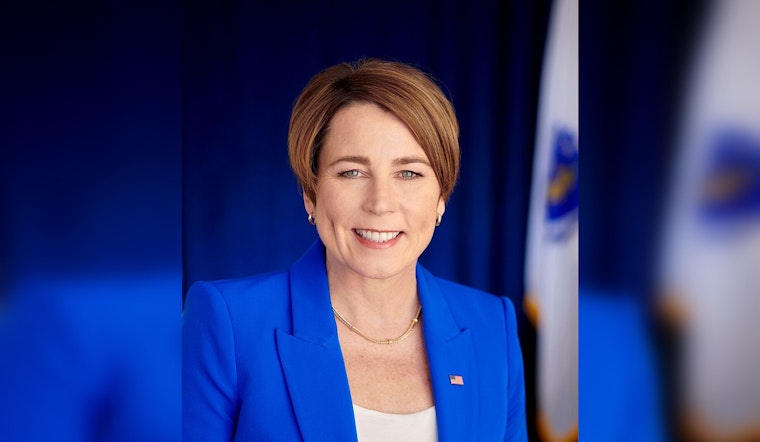
Gov. Maura Healey is turning up the heat on one of her signature education ideas, pushing to supercharge Massachusetts' Early College program so high schoolers can earn tuition-free college credits before they even cross the graduation stage. Her plan pairs a long-range enrollment goal with fresh grant money and budget asks, all aimed at chipping away at ballooning college costs for first-generation and low-income families. Fans of the program say it can change a kid’s entire trajectory, while some college leaders warn that without clearer funding rules and oversight, growth could get wobbly fast.
As reported by The Boston Globe, Healey argued that "for too long, money’s been a barrier" as she pitched the expansion and laid out a 10-year target for growth. The Globe notes that the initiative currently serves roughly 10,000 students this academic year, and reports that pairing Early College with three-year degree tracks could slice the cost of a bachelor’s degree by as much as 75 percent for students who enter college already holding two years’ worth of credits. State data cited in that coverage show about 66 percent of Early College graduates head straight into higher education and roughly 82 percent return for a second year once they get there.
How Early College Works
Early College hinges on formal partnerships between high schools and colleges, letting students take real, credit-bearing college classes at no cost while they finish their diplomas. In many cases, transportation, tutoring and advising are folded in so teenagers are not left to navigate campus life solo. According to a state announcement, the Healey-Driscoll administration has put $8.2 million in targeted grants on the table to support dozens of new partnerships. Officials say the program already reaches more than 75 high schools statewide, and the administration wants to scale that access substantially over the coming decade.
The Math: Credits And Costs
All that opportunity comes with a price tag that colleges are watching closely. Institutions report receiving roughly $180 per credit for Early College enrollments, a figure that can leave campuses picking up the tab for the rest of the advising, faculty time and academic supports. Bridgewater State University lists reduced per-credit pricing for dual-enrollment offerings, and meeting minutes from the Massachusetts College of Liberal Arts show similar reimbursement levels. Lawmakers set aside a little more than $14 million for Early College in the fiscal 2026 budget, and state documents point to additional funding requests designed to keep expansion moving.
Colleges Push Back
Not every campus is cheering from the sidelines. Framingham State University president Nancy Niemi told The Boston Globe that "Early College is the Wild West still, across the country and across the Commonwealth," warning that rapid growth without a solid strategic plan can strain smaller institutions in particular. Supporters counter that the program has already helped first-generation and low-income students view themselves as college material and then stick with it once they enroll.
What’s Next
Healey unveiled a 100,000-student participation goal during her State of the Commonwealth address, and state officials say the administration is now pressing ahead with budget proposals and new grant rounds to back that scale-up. Budget materials show additional Early College funding requests lined up for FY27 to keep the plan on schedule, although lawmakers and educators still have to sort out reimbursement formulas and capacity challenges if Healey’s timeline is going to hold.
For families, the lure is straightforward: more chances to bank college credits without swallowing a huge bill. For colleges, the countdown is on to turn that promise into a durable system that broadens access without quietly shifting the financial burden from students to already stretched campus support services.





