

























































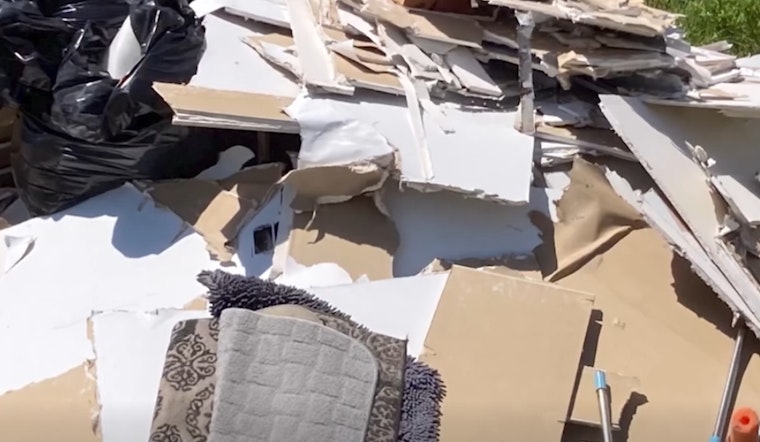
When Hurricane Helene came barreling through Hernando County, Dana Torrens watched her coastal home turn from sanctuary into soaked shell. Storm surge pushed in so hard that floors were ripped out and belongings ended up in ruined piles. In a county video, Torrens talks viewers through the chaos of grabbing what she could and the gnawing worry of where to sleep while repairs even begin. Her ordeal is one of many in coastal neighborhoods still tangled in inspections, insurance and temporary housing months after Helene.
In a Facebook reel posted by Hernando County Government, Torrens walks through the wreckage and explains that she has signed up for the county's Temporary Disaster Housing program. The initiative links survivors with state-donated travel-trailer units and nonprofit partners. The county also promotes a Disaster Case Management hotline at 352-340-2571 for residents who need intake and referrals, while Emergency Management staff handle site inspections and trailer placements. The reel, posted March 1, 2026, puts a human face on a recovery effort that county leaders say must stretch limited resources across a long list of storm survivors.
How the County's Travel-Trailer Program Works
The Board of County Commissioners signed off on a formal Disaster Housing Plan on March 11, 2025 that clears the way for accepting donated travel trailers and puts oversight of placements in the hands of a Disaster Housing Working Group, according to the county's Legistar record. The Legistar file states that the Travel Trailer Units (TTUs) were donated by the Florida Division of Emergency Management and that the working group, together with disaster case managers, screens applicants so the donated units go to households with the greatest need. The plan also spells out that the county will not cover title-transfer or utility-connection costs, and that case management will link recipients with nonprofit help when it is available.
Local reporting underscores that the donated trailers help but do not come close to covering all the need. A county update cited 49 trailers donated by the state, with only a handful already placed and dozens of households still waiting in the case-management queue. United Way of Hernando County and contractor iParametrics are listed as partners coordinating placements and wraparound services for the households that do receive units. Those limits go a long way toward explaining why a resident like Torrens may be waiting weeks while inspections, paperwork and approvals wind through the county process.
Helene's Surge Left Lasting Destruction Along the Coast
Storm surge, not only wind, did much of the damage along Hernando's coastline, washing over dunes, knocking out retaining walls and flooding homes. Fox 13's reporting from Pine Island Park showed concession buildings and park infrastructure flattened after Helene, damage that county officials say complicates cleanup and pushes up demand for temporary housing. Those same surge conditions left single-story homes and ground-level utilities especially exposed.
County figures reported to local outlets indicate that hundreds of households are still somewhere on the recovery ladder. Dozens are already in temporary housing, dozens more have applications in progress, and site inspections continue before additional trailers can be placed. Officials say priority for the donated TTUs is reserved for low-income households, seniors, veterans and homeowners with major damage who lack other options, a triage system the Disaster Housing Working Group follows when assigning units.
Where to Call for Help
Residents who need assistance can call the Hernando County Disaster Case Management Hotline at 352-340-2571 or Hernando County Emergency Management at 352-754-4083 for information on shelter and recovery, according to county postings and recovery notices. The county's recovery pages and the BOCC Legistar documents lay out eligibility rules, site inspection requirements and the referral path used to match families with donated travel trailers. If you believe your home has suffered substantial damage, registering with disaster case management is the first step to being evaluated for temporary housing placement.
County staff emphasize that the TTU program is a short-term fix and that travel trailers are assigned only after property and septic inspections confirm a safe hookup. For homeowners such as Torrens, the trailers are not a permanent answer, yet they can offer a crucial bridge while insurance, repairs and rebuilding grind forward under county and nonprofit coordination. For the official plan and details on the working group, residents are directed to the county's Legistar record and related recovery posts.


