

























































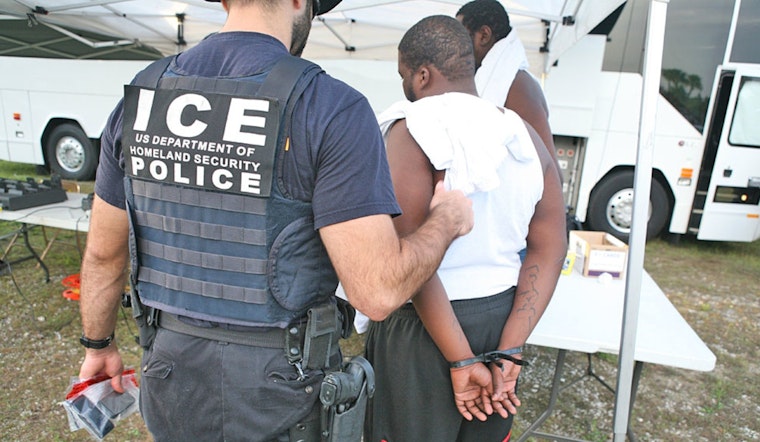
Small, red warning sirens have quietly appeared on porches and storefronts across Highland Park, installed by neighborhood activists who want a fast way to alert people when federal immigration officers are spotted nearby. Organizers say the devices, about the size of a football, are linked to a mobile app and can be set off remotely to push people indoors. Volunteers say roughly 20 have been placed so far as part of a broader effort to buy residents a few extra minutes to shelter and to document enforcement actions.
How the devices work and where they're already placed
About 20 of the fire-engine red sirens have gone up on private homes and businesses, and organizers say their wail can carry roughly half a mile. The devices cost about $70 each and are controlled through a mobile app that only certain volunteers can access. As reported by the Los Angeles Times, activists staged a February test that startled a nearby resident, and some local shops have been handing out whistles. A Department of Homeland Security spokesperson blasted the effort as "quite literally insane."
Where organizers have placed units and who’s running the effort
Neighbors have formed a loose Highland Park Community Support group and are crowdfunding to buy more units. NBC Los Angeles reports the effort has raised about $5,000 toward additional sirens. Nelson Grande, a Highland Park native and candidate for Los Angeles City Council, told local media the goal is to get people off the street and to document enforcement activity. Organizers say they are placing sirens near busy stretches such as York Boulevard and Figueroa Street, and that volunteers have asked to keep the devices out of plain view.
City action and the broader backdrop
The siren project comes as city leaders tighten rules around federal enforcement. Mayor Karen Bass signed Executive Directive 17 on Feb. 10, which forbids the use of city property for ICE staging and asks departments to increase transparency around federal operations. According to the mayor's office, the directive also calls for steps to preserve evidence and to post aggregated data about encounters with federal agents. Organizers say municipal moves like ED17 and an uptick in high‑profile raids since mid‑2025 have helped drive the grassroots response.
Legal questions for organizers
Federal prosecutors and city officials have pushed back on the plan. In a statement reported by CBS Los Angeles, First Assistant U.S. Attorney Bill Essayli warned that people who "harbor or assist" undocumented immigrants could face federal charges. The harboring statute, 8 U.S.C. § 1324, makes it a crime to conceal or shield someone from detection and carries penalties that can include years behind bars, according to the statute text at the U.S. Code.
Whistles and a national movement
The sirens sit alongside a low‑tech playbook of whistles, neighborhood spotters and messaging groups that activists have used in Chicago, Minneapolis and other cities. The Guardian has traced that whistle movement and the debate over whether loud alerts help or simply ramp up panic. Local volunteers and some Highland Park businesses have been distributing whistles and bilingual zines explaining alert codes, echoing tactics seen elsewhere.
Neighbors are divided. Some praise a DIY alert system that can buy people time, while others worry about false alarms, noise complaints and legal exposure for volunteers. City police have cautioned about potential noise‑ordinance violations, and federal officials have signaled legal risks. Organizers counter that many families feel they have no safe alternative. For now, the devices remain a grassroots experiment, and organizers say they will keep fundraising, testing and quietly expanding placements as the debate continues.





