

























































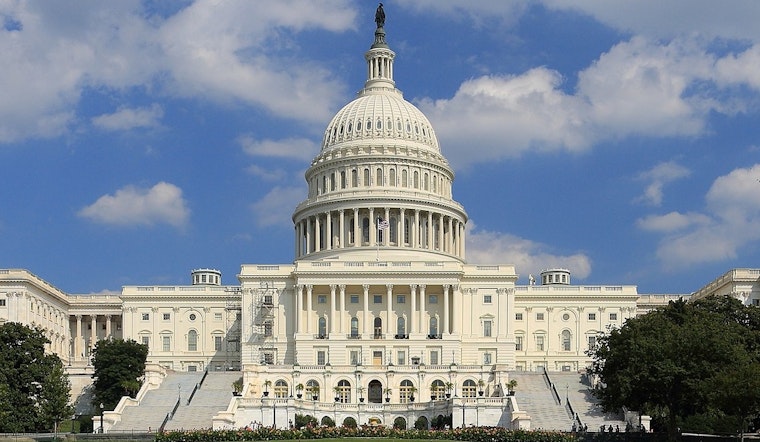
Last Wednesday the U.S. House passed the Deporting Fraudsters Act on a 231-186 vote, approving a Republican-backed measure that would make certain benefit-related frauds grounds for deportation. Supporters frame the move as a way to protect taxpayers, while critics counter that it could widen immigration penalties and scare eligible families away from benefits they are allowed to receive.
According to News4SanAntonio, the vote fell largely along party lines, with 186 Democrats voting against it. The outlet also reported that Southeast Texas Reps. Brian Babin and Randy Weber both backed the bill.
What the bill would do
As written, H.R. 1958 would amend the Immigration and Nationality Act to add an explicit ground of inadmissibility and deportability for anyone convicted of defrauding the United States or unlawfully receiving public benefits, according to the bill text on Congress.gov. The language covers federal, state, and local benefits and, in some situations, reaches admissions and conspiracies that meet the statute's elements.
Sponsor's pitch
Rep. David Taylor (R-Ohio), the bill's sponsor, labeled the proposal "a no-brainer" and said it would "hold illegal aliens accountable" by making benefit fraud a deportable offense, according to a press release on Rep. Taylor's website. Supporters argue the change closes a gap in immigration law and protects taxpayer dollars.
Legal and policy concerns
Policy analysts warn the bill's scope is broad and lacks limiting thresholds, which could pull in relatively minor or older offenses, a point highlighted in a PoliScore analysis. That review also cautioned that the change could raise deportation risks for noncitizens who have already faced criminal penalties in court and might chill benefit use among mixed-status families.
Senate outlook
The measure now heads to the Senate, where a companion bill, S.3113, has been introduced by Sens. Ted Cruz, John Cornyn, and Mike Lee, per Congress.gov. Even if it makes it to the floor, most nonprocedural legislation typically needs a 60-vote cloture threshold to overcome extended debate in the chamber, a procedural hurdle that could decide the bill's fate; the cloture rules are laid out by the Senate Republican Policy Committee.
Bottom line
For now, the House vote gives Republican backers a fresh talking point on fraud and immigration, while legal advocates and many Democrats argue the proposal is punitive and overly broad. What happens next will hinge on Senate arithmetic and, if the bill advances, on how courts interpret its scope.



.JPG)