

























































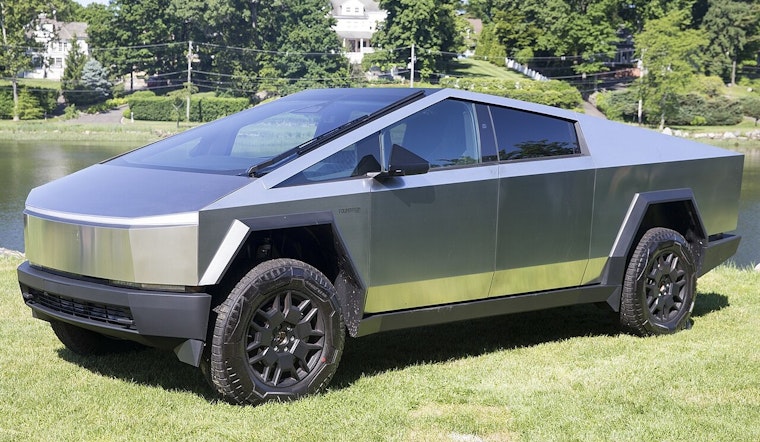
A Houston driver says her Tesla Cybertruck’s driver-assist system tried to send her straight into a concrete barrier on an overpass last August, and she is now suing the company for more than $1 million. The Harris County lawsuit, filed this winter, includes dashcam footage that her attorneys say captures the truck failing to make a curve and slamming into the wall. The case arrives as Tesla faces intensifying questions about how it promotes and polices its Autopilot and Full Self-Driving features.
How the crash unfolded, according to the filing
The petition says the crash took place on Aug. 18, 2025, at the Y-shaped split of I-69 (Eastex Freeway) near the Eastex Park & Ride. The Cybertruck, which the plaintiff bought last February with Tesla’s Full Self-Driving package, allegedly did not follow the right-hand curve and instead went straight into a concrete sidewall. Dashcam video provided by her legal team and described in local coverage is said to show the vehicle heading directly toward the barrier before impact. The lawsuit, filed in Harris County District Court, seeks more than $1 million in damages for physical injuries and other losses, according to the Houston Chronicle.
What the suit alleges
The complaint accuses Tesla of overselling what Autopilot and FSD can safely handle and of choosing a camera-only setup instead of using additional redundant sensors such as lidar. It also criticizes the Cybertruck’s emergency-braking behavior and argues that Tesla’s marketing materials and warnings do not properly prepare drivers to step in when things go wrong. The filing characterizes those design and messaging choices as negligent and says that safer alternatives were available, according to local reporting that first detailed the case in the Austin American‑Statesman.
Dashcam footage and the plaintiff’s injuries
The online complaint, summarized by automotive news outlets, quotes petition language that the Cybertruck "attempted to drive straight ahead into the concrete barrier and the freeway below," and says the plaintiff tried to disengage the system and take control before the crash. According to the lawsuit and attached medical summaries, the driver suffered neck and back trauma, including herniated discs and nerve symptoms, and also alleges wrist and hand injuries. Publicly reported copies of the filing include those materials along with a link to the dashcam clip, per CarComplaints.
Legal ripple effects
Saint Amour’s lawsuit arrives as Tesla navigates a wider storm of legal and regulatory heat over Autopilot and FSD safety and branding. Regulators in California have challenged how the company markets those features, and a federal judge recently allowed a roughly $243 million verdict tied to a separate Autopilot crash to stand, a move legal analysts say could heighten Tesla’s exposure in related civil cases, according to Reuters via BusinessInsurance.
Tesla’s response and next steps
The new Harris County case is still in its early procedural stage, so it is not yet clear which claims might survive motions and move into discovery. Outlets covering the suit report that Tesla did not immediately respond to requests for comment on the allegations, per Yahoo Autos.
The dispute will be decided in civil court, where the plaintiff has to prove the alleged failures in design, testing, or marketing. For Houston drivers and local policymakers, the case is another test of how far product-liability law and consumer protections will stretch as automakers roll out increasingly capable, and increasingly controversial, driver-assistance tech.





.jpg)