

























































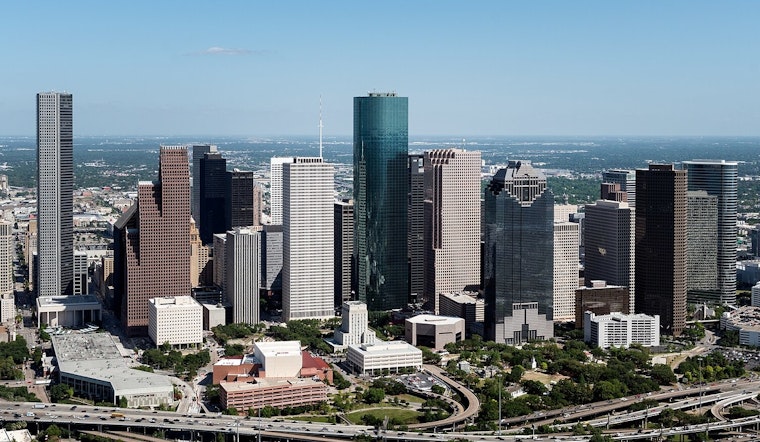
Houston’s hotel scene did not just bounce back in 2024; it came roaring into 2025 with investors lining up to buy in. A year of outsize performance has flipped the market from quiet recovery to full-on shopping spree, with everything from downtown conversions to multi-property portfolio deals in The Woodlands drawing fresh capital.
According to Houston First, 2024 was a record year for Houston tourism and hotels. The agency reports more than 54 million visitors, marketwide occupancy rising 7.7%, average daily rate climbing about 6.8% to roughly $121 and RevPAR jumping roughly 15%, which helped overall hotel revenue increase about 15.5%.
Deal flow follows the numbers
Those kinds of gains did not sit idle on spreadsheets. Industry trackers say stronger operating performance quickly turned into real deal volume. As reported by CoStar, hotel trades last year exceeded the 10-year average and included notable portfolio moves. CoStar notes The Westin at The Woodlands traded as part of a roughly $284 million three-property portfolio in 2025.
One headline local example: Ascendant Capital Partners’ Woodlands portfolio, which includes The Woodlands Resort, The Westin at The Woodlands and an Embassy Suites, was acquired and is now being managed by HEI Hotels & Resorts, a change detailed by Hotel Management. That sort of institutional appetite for full-service, meeting-focused hotels signals a clear preference for properties that can capture convention and group demand.
Visitors, rooms and a busy pipeline
Downtown Houston’s year-end market report showed a roughly 15% bump in hotel revenue and helped put the metro at about 54 million visitors in 2024, while the same report flagged nearly 500 new downtown rooms slated to open in 2025, according to Community Impact. That pipeline, paired with a busy calendar of conventions and events, is a key part of what is giving buyers confidence to lean into the market.
What investors are watching
Global broker forecasts are leaning toward cautious optimism. JLL told Skift it expects a pickup in hotel transaction volumes, even as capital markets and rising costs push buyers to be more selective. Investors are zeroing in on location, brand strength and group-capable assets, while keeping a close eye on financing conditions and operating expenses.
For Houston, a renewed wave of hotel deals could mean more capital for renovations, fuller ballrooms during convention weeks and higher hotel-tax receipts that fund arts and events. It could also ramp up competition for labor and local services. Officials and market watchers say the momentum looks real, but how long the party lasts will depend on how quickly new supply hits the market and how lending conditions play out through the rest of 2025.





