

























































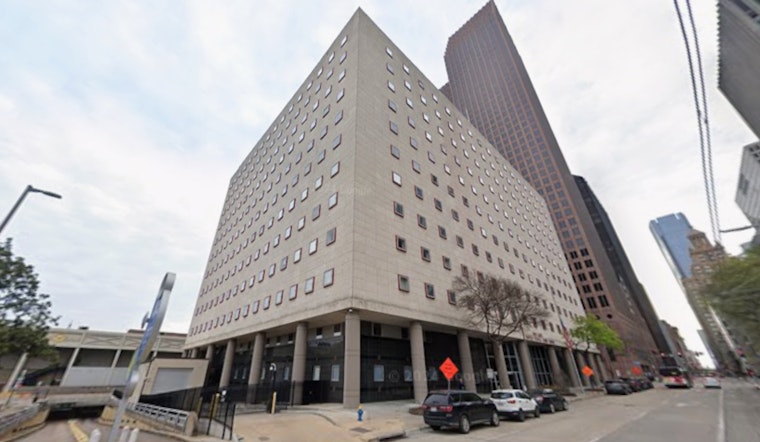
A woman identified in court papers as Jane Doe has filed a federal lawsuit accusing Wyndham Hotels & Resorts and several Houston-area motels of looking the other way while she was sex trafficked as a teenager. The complaint, lodged Thursday, asks a U.S. district judge to hold the companies liable and force them to give up profits the hotels allegedly made from the exploitation.
The suit, filed in the U.S. District Court for the Southern District of Texas, says the plaintiff was trafficked and abused at a string of hotel properties from February through December 2022, when she was 17. It names Wyndham and franchise operators including Days Inn & Suites by Wyndham, Palace Inn, Camelot Inn & Suites, Budget Inn and Hotel Royale, and alleges the hotels "enjoyed a significant revenue stream" tied to prostitution and trafficking, according to Houston Public Media. Attorneys with Steward Miller Simmons and Mixson & Elmore LLP are listed as representing Doe, the outlet reports.
Texas rules for hotel workers
Under Texas law, commercial lodging employees must complete yearly human trafficking awareness training and hotels are required to post employee-facing signs with instructions on how to report suspected trafficking, a mandate rolled out after 2021. The Office of the Texas Attorney General provides downloadable signage templates and training materials so hotels can stay in compliance.
What Doe says happened in the hotels
According to the complaint, rooms at several franchise locations became regular spots where traffickers and buyers operated with virtually no pushback. The filing claims staff and operators brushed off warning signs, even when booking patterns and cash payments suggested something criminal was going on. The hotels are quoted as having "enjoyed a significant revenue stream" from the alleged activity and are accused of having "knew that abuse was happening in their hotels and did nothing to stop it," based on Houston Public Media's review of the lawsuit. The complaint does not state a specific dollar amount in damages.
How the lawsuit tries to hold hotels liable
Cases like Doe's often lean on a mix of federal and state laws that target businesses that "knowingly benefit" from trafficking. The federal civil remedy for trafficking victims is set out in 18 U.S.C. 1595, which allows victims to seek monetary damages and attorney fees, while state statutes and regulations can support claims for disgorgement of profits or statutory penalties.
Houston's trafficking backdrop
Advocates say the lawsuit fits into a broader Houston pattern, where persistent trafficking problems and uneven enforcement have pushed attorneys to go after hotel chains and franchise owners in civil court. As the Houston Chronicle has reported, local lawsuits and city rules grew out of long-running problems along notorious corridors like the Bissonnet "track" and FM 1960. Attorney Zeke Fortenberry told the Chronicle, "The clerk at the front desk either didn’t get that training, or it wasn’t enforced."
The case is still in its opening phase, which means the hotels could respond with motions to dismiss, followed by potentially long and combative discovery if the claims survive early challenges. Anyone who suspects trafficking or needs help can contact the National Human Trafficking Hotline at 1-888-373-7888. We will continue to track filings in the U.S. District Court for the Southern District of Texas and update this story as the lawsuit moves forward.





