

























































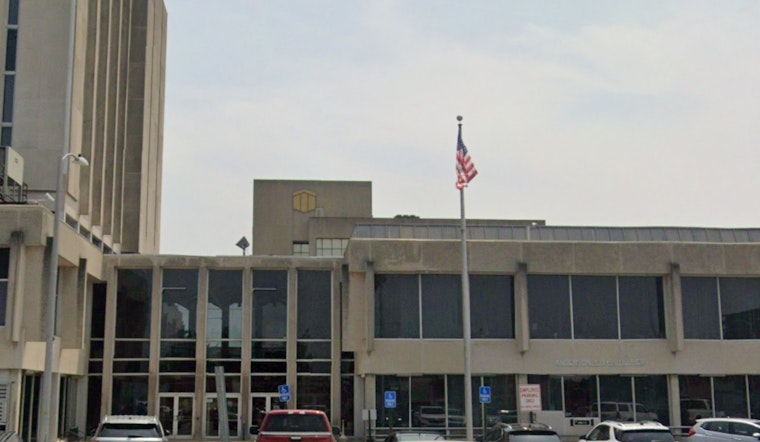
An Indianapolis real estate developer wants to pick up stakes and move its headquarters to downtown Anderson, betting that it can turn vacant commercial space into badly needed apartments. To make the numbers work, the company has asked the city for a seven-year property tax abatement, and the Anderson City Council has set an April 9 public hearing to hash it out.
The potential move would plant a firm with deep multifamily renovation experience right in the middle of Anderson’s core at the same time city leaders are scrambling to fill empty buildings. How generous the city should be to land that presence is about to become a very public conversation.
As reported by the Herald Bulletin, the company is identified in council documents as JLBS Property LLC. It is seeking a seven-year tax break tied to relocating its headquarters to Anderson and converting empty commercial properties into apartments. The council scheduled the April 9 hearing so city officials and nearby residents can ask questions and weigh in before voting on the incentive.
What JLBS Does
JLBS Construction bills itself as an Indiana-based firm that specializes in accelerated, occupied renovations for apartment and multifamily housing projects. The company says it has completed thousands of unit modernizations since 2015, focusing on upgrading existing properties rather than ground-up construction.
The firm is not a stranger to Anderson. Anderson University has announced a strategic facilities partnership with JLBS that will transfer several campus properties to the company in exchange for major renovations to student residence halls. That arrangement helps explain why JLBS is pitching Anderson as a logical home base. The scope of the company’s work and the details of the campus deal are described in JLBS’s own materials and the university’s announcement.
How The Abatement Works
On its economic development webpages, the City of Anderson explains that tax abatements are one of the tools it uses to encourage the redevelopment of blighted or vacant properties. Applicants must submit a formal packet and spell out the public benefit of their project, according to Anderson Economic Development.
State statute lays out the legal framework for abatements, including requirements for public hearings and limits on how abatements can be structured, as detailed by Justia. The Indiana Department of Local Government Finance provides the compliance and reporting forms that local governments and companies use in the process, and its published materials outline what must be filed and when, according to the Indiana Department of Local Government Finance.
Next Steps
At the April 9 hearing, council members and residents are likely to press for details: which buildings JLBS wants to convert, how many apartments could be created, what the project timeline looks like, and how much tax revenue would be deferred during the abatement period. Those basics are summarized in local reporting but have yet to be debated in a public meeting.
Supporters of abatements argue that incentives like this can unlock private investment, bring empty buildings back to life, and ultimately return more value to the tax rolls over time. Critics counter that such deals shift revenue away from schools and other services in the short term and can become routine rather than exceptional. That tension is not unique to Anderson, and recent coverage of similar fights in nearby communities, including reporting by the Indiana Economic Digest, highlights how central the abatement question has become as cities try to lure new investment.





