

























































Federal officials who oversee parts of the nation’s election machinery quietly slipped into a closed-door gathering last week with activists and Trump-aligned election deniers, where attendees pressed for sweeping presidential control over the 2026 midterms. The private roundtable and a later reception in downtown Washington put government staffers in the same room with organizers who have pushed conspiracy claims about the 2020 vote, a mix that has election lawyers and voting-rights groups on edge.
According to ProPublica, the Feb. 19 event was convened by Michael Flynn and featured Kari Lake as a marquee speaker, alongside a roster of conservative activists and administration staffers. ProPublica reported that videos and photos from the gathering show at least six federal officials in attendance and described how some participants urged the president to declare a national emergency to take greater control of election administration. The outlet also noted that many of the officials did not respond to questions about why they were there.
What the hosts listed
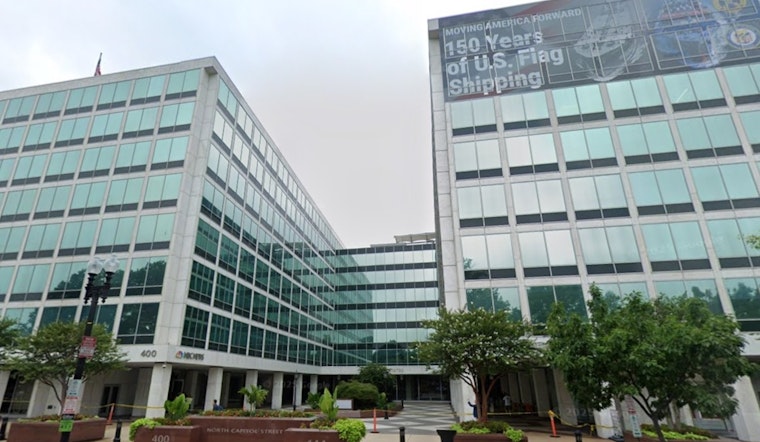
The summit and a public reception that followed show up on the Gold Institute for International Strategy events page for Feb. 19, which advertises an “Election Integrity Public Reception” in downtown Washington. The Gold Institute’s notice names speakers and invites media and guests to a post-event reception, and photos later posted by attendees show the meeting spilling into a private dinner. The institute’s listing pins the event to an office building in the city center and confirms the date that organizers have described.
Officials who showed up
ProPublica identified several administration-affiliated participants, including Kurt Olsen, Clay Parikh (a special government employee at the Office of the Director of National Intelligence) and Marci McCarthy, the public-affairs chief at the Cybersecurity and Infrastructure Security Agency. In an email to reporters, ProPublica said a DOJ spokesperson confirmed that Mac Warner, who worked on election litigation, resigned the day after the meeting and had not received required ethics approval to attend. CISA lists McCarthy as the agency’s director of public affairs, and she later posted a celebratory social update about attending the event.
What they were being asked to consider
The Washington Post reported that activists tied to the roundtable have been circulating a 17-page draft executive order that would cite alleged foreign interference as justification for sweeping federal control over voting, including bans on no-excuse mail ballots and certain voting machines. The paper noted that the draft leans heavily on emergency authorities that have never been tested in court, and legal experts say the proposal would run headlong into the Constitution’s grant of primary authority to states over election administration. Organizers at the summit appeared to be weighing more incremental reforms alongside the far more dramatic emergency option.
Election lawyers sound the alarm
“This creates substantial risk that the administration is laying the groundwork to improperly reshape elections ahead of the midterms or even go against the will of the voters,” Brendan Fischer of the Campaign Legal Center warned in coverage of the meeting. Michigan Advance reported the remark, and the Campaign Legal Center lists Fischer as its director of strategic investigations. Those experts point to existing litigation and recent rulings that have already blocked parts of earlier executive orders on voting as evidence that federal courts would likely resist any move to centralize control of elections in the White House.
Administration pushes back
The White House told reporters that staff attendance should not be read as an endorsement of an emergency order and described meetings between officials and outside advocates as “common practice.” Several officials declined to discuss the Feb. 19 gathering at all. That line has not exactly reassured voting rights advocates, who say the optics of formal agency representatives trading ideas with activists pushing extreme election reforms are hard to ignore. Advocacy groups and some lawmakers are now pressing for clearer rules and disclosures about when and how agency staff meet with partisan outside groups on election policy.
How courts could respond
Legal scholars note that the Constitution assigns states the power to regulate the times, places and manner of federal elections, and that earlier attempts to use executive orders to reshape voting have run into swift judicial pushback. Litigation trackers and legal analyses show that multiple lawsuits have already challenged pieces of recent presidential orders on voting and that courts have blocked or narrowed parts of those actions. If the administration tried to invoke emergency powers to curb mail ballots or restrict voting machines, attorneys expect rapid lawsuits and likely injunctions, setting up an expedited fight in the appeals courts and possibly at the Supreme Court.
For now, the Feb. 19 meeting has become a fresh flashpoint in the broader argument over how, and by whom, American elections should be run, months before voters in key states cast their ballots. Federal officials and the White House are facing renewed calls to release guest lists, meeting notes and ethics approvals so the public can see whether policy advice is coming from neutral experts or partisan actors.





