

























































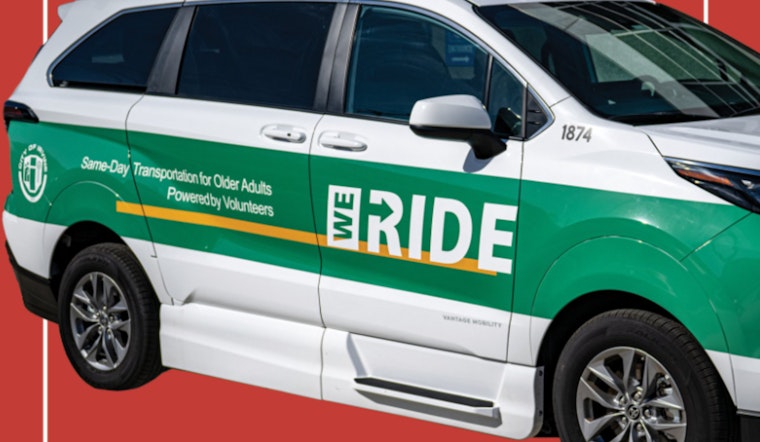
Irvine’s older residents just picked up a new way to get around town. The city has launched WeRide, an on-demand ride program that offers same-day, wheelchair-accessible, curb-to-curb trips for people 60 and older, all powered by trained volunteer drivers behind the wheel of city-owned vehicles.
Local coverage
The rollout made it to local TV, where seniors and volunteer drivers talked about how a quick, same-day lift can turn stressful errands into simple outings. The segment highlighted that WeRide is built for short, local trips and is designed to keep older adults plugged into community life, as reported by CBS Los Angeles.
How WeRide works
According to the City of Irvine, WeRide operates Monday through Friday from 8 a.m. to 5 p.m., with the first pickup at 8 a.m. and the last return at 5 p.m. Same-day ride requests are accepted, although they depend on availability. A single $20 yearly membership covers access to both TRIPS and WeRide; rides are included with membership, and a $5 donation per ride is suggested. Members can book rides through the Rides on Demand mobile app or by calling the Transportation Services office, and once a trip is confirmed, riders receive a 30-minute pickup window, according to the City of Irvine.
The rules for who can drive and how they operate are laid out in the city’s volunteer guidelines. Volunteer drivers must be at least 21 years old, hold a valid driver’s license, provide proof of insurance, and pass a background check that the city pays for. They drive city-owned vehicles, and training is provided before they start taking passengers, according to the City of Irvine volunteer assignment description.
Why it matters
For many older adults, giving up the car keys can feel like giving up independence. Reliable, local transportation helps maintain that independence and keeps people socially connected, two factors researchers say are critical for reducing isolation and protecting health later in life. AARP research notes that access to transportation is a measurable part of social connectedness among older adults, and that filling the gaps when people drive less can improve access to medical care, groceries, and social activities, which in turn can shape overall well-being.





