

























































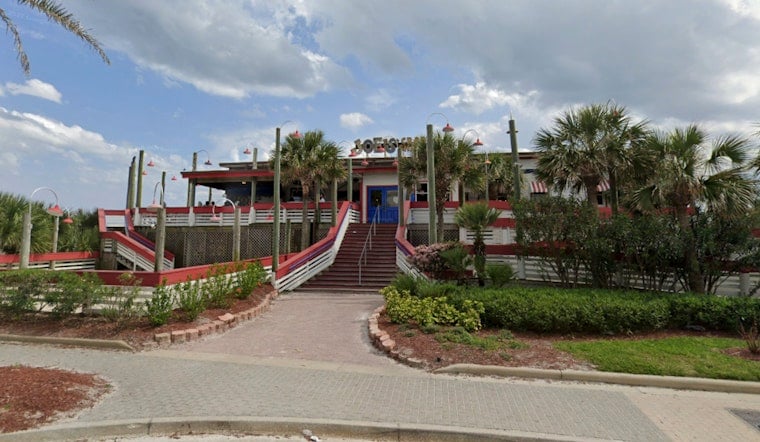
Another Joe’s Crab Shack has fallen off the map, with Landry’s shutting down its Jacksonville Beach location and converting it into a Bubba Gump Shrimp Co., trimming the once ubiquitous crab-bucket chain to roughly 14 restaurants nationwide. A brand that used to feel like it was everywhere, noisy servers and all, has been steadily whittled down after years of quiet closures and corporate reshuffling, as casual-dining seafood players pull back and rethink where they plant their flags.
The Jacksonville Beach restaurant closed for good on Jan. 24, and the space is now slated for a full Bubba Gump rebrand, the company’s chief operating officer confirmed. COO Terry Turney said the company will try to place affected workers at nearby sister concepts in the Landry’s portfolio, a move noted in coverage by News4JAX, while the impending changeover was also detailed by the Jacksonville Daily Record.
"Joe’s Crab Shack in Jacksonville will be converted into a Bubba Gump Shrimp Co., bringing the brand’s scratch-made, Southern-style seafood to the market," Turney said in a statement to News4JAX. The company added that it hopes to redeploy team members at other Landry’s spots nearby while the overhaul is completed.
A shrinking footprint
After the Jacksonville Beach shutdown, Joe’s own website shows about 14 active locations left across several states, according to USA TODAY. The concept started in Houston in 1991, per SEC filings, and has bounced between owners over the years. Landry’s first acquired Joe’s in the 1990s, then scooped it up again in 2017 by winning the brand’s assets out of Ignite Restaurant Group’s bankruptcy, the Houston Chronicle reported.
Why the pullback?
Industry watchers point to a familiar mix of headaches for casual seafood chains: higher seafood and labor costs, softer guest traffic and leases coming due. Undercurrent News highlighted trade data that shows steep sales declines in recent years and noted that Landry’s has often chosen to flip underperforming Joe’s locations into other in-house brands to keep revenue flowing from prime real estate.
What remains
Most of the remaining Joe’s restaurants are huddled in tourist and resort-heavy areas in California, Florida, Kentucky, Missouri, South Carolina, Tennessee and Texas, USA TODAY reported. Earlier exits in markets from San Diego to Pittsburgh were often handled quietly, with doors closing as leases expired or buildings were retooled for new concepts, a pattern prior reporting documented.
For diners, the upshot is that the familiar Joe’s logo is increasingly replaced by another Landry’s brand rather than a dark storefront. For employees, the company says conversions can soften the blow by shifting staff into sister restaurants. Whether that strategy is enough to steady Joe’s in the long run is an open question, but the chain today is a lean, selective version of the sprawling presence it claimed a decade ago.





