

























































Jehovah's Witnesses' Governing Body has quietly opened a medical door that was long bolted shut, issuing a clarification Friday that lets members decide whether to have their own blood drawn, stored and later returned for use during planned surgery. The denomination says it is not lifting its long-standing ban on receiving transfusions of other people's blood. The shift applies specifically to predonated autologous blood and is expected to change how some members and hospital teams plan for major, scheduled operations.
The clarification was presented in a video by Governing Body member Gerrit Lösch, according to reporting by the Associated Press. Lösch said, "Each Christian must decide for himself how his own blood will be used in all medical and surgical care." The Associated Press also noted Jehovah's Witnesses reported about 1.3 million U.S. members and roughly 9.2 million members worldwide in 2025.
What the Clarification Does, and Does Not
Under the clarification, members can now choose to predonate and bank their own blood ahead of a scheduled operation (an autologous transfusion), but the organization continues to forbid receiving blood from other people. As reported by News4JAX, the Governing Body described the change as a "clarification" and said its core teaching about the sanctity of blood remains unchanged. In practical terms, the option mainly affects elective surgeries where blood loss is expected and can be planned for in advance.
How Autologous Donation Works
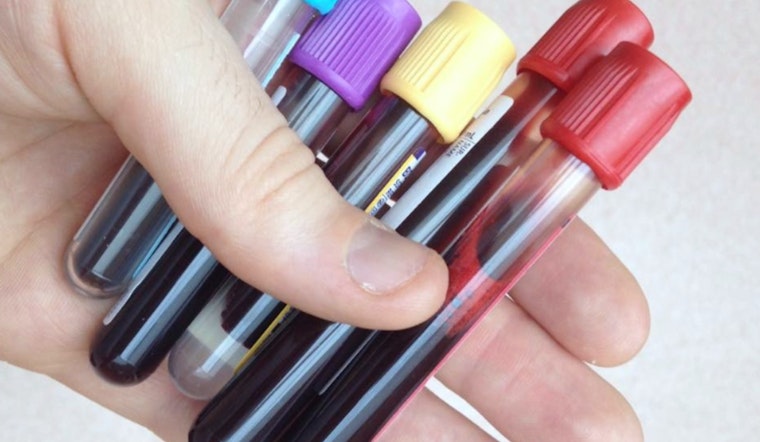
Autologous donation means a patient donates their own blood ahead of surgery and, if needed, receives those units back during or after the operation. Clinical reviews note that predonation is typically arranged in the weeks before surgery and can cut reliance on donor blood, though some studies find predonation programs may increase overall exposure to transfusion in certain settings. A systematic review examined those tradeoffs in detail. The timeline used by blood centers varies, but many programs schedule collections up to six weeks before surgery and allow the last donation no fewer than about five days prior. Unused units are discarded at the end of their storage period, as shown in typical donor instructions. For background on clinical evidence see the Cochrane review and a standard donor guidance sheet such as the one from Children's Hospital of Dayton.
Where This Departs From Past Teaching
The clarification marks a shift from earlier Watchtower guidance that explicitly said storing one's own blood for later transfusion conflicted with biblical commands. The movement's older literature included language to that effect, and reporting by the Associated Press ties the new wording back to those past statements. The Associated Press also reported that the news leaked on social forums before the official video. Former members quoted in the coverage praised the loosening but said it did not go far enough. "I don't think it goes far enough, but it's a significant change," former member Mitch Melin told the Associated Press.
Practical Limits for Patients
Doctors caution that predonating and banking one's own blood is useful in a narrow set of circumstances, mostly scheduled, higher-risk surgeries, and is not an answer for trauma or many pediatric cases that require immediate donor transfusion. Many Jehovah's Witnesses live in countries without routine access to facilities that can collect, store and return predonated units, which will limit how much the clarification affects global membership, News4JAX reported. Hospitals will still need to work with patients on individualized blood management plans and to respect advance directives and medical decision making.
For the denomination's official materials, the Governing Body posts updates and video addresses on its website. Members and clinicians who want the primary statement can consult JW.org. Medical decisions about blood remain personal and clinical, and patients are urged to discuss options with their surgical and anesthesia teams well before planned procedures.





