

























































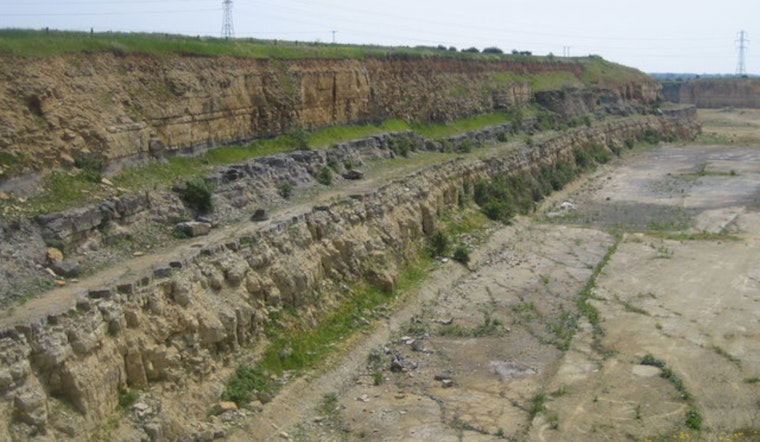
The Illinois EPA on Monday rejected a permit application to operate and close a coal ash impoundment at the Lincoln Stone Quarry outside Joliet, saying the company failed to prove it could stop groundwater contamination or fully cover cleanup costs. The move forces Midwest Generation, the Joliet plant operator linked to NRG, to go back to the drawing board with a substantially revised plan and puts a clear timeline on what happens next.
IEPA Says Plan Left Big Technical And Money Questions
In a formal denial letter, the agency concluded the draft operating permit did not show the site could run without breaking Illinois environmental rules. Regulators flagged problems with the design of the groundwater monitoring network, a preliminary closure proposal that leans on leaving ash in place, and closure and post-closure cost estimates the agency could not verify. The letter orders the company to submit an updated initial operating permit application that fixes those gaps and gives the operator 90 days to resubmit, according to the Illinois EPA.
Environmental Groups And Locals Cheer The Call
Local watchdogs and environmental attorneys framed the denial as a much-needed check on a proposal they say would drag out contamination risks for nearby residents. In a press release, Earthjustice and partner groups welcomed the decision, with Earthjustice lawyer Jenny Cassel saying, “it is heartening to see the Illinois EPA finally doing its job.” Local officials told the Chicago Tribune they plan to keep pressure on the company to deliver a closure and cleanup blueprint that safeguards nearby wells.
Decades Of Complaints And A Long Trail Of Contamination
Coal ash from the Joliet 9 and 29 generating stations has been dumped in the Lincoln Stone Quarry since the 1960s, and monitoring records together with advocacy reports show repeated exceedances of groundwater standards for contaminants such as arsenic, boron and molybdenum. Neighbors pushed back against a cap-in-place strategy at public hearings last summer, Shaw Local reported, and a longform review of coal ash damage has traced monitoring data and past exceedances around the quarry.
What The Denial Sets In Motion
The Illinois EPA letter instructs the operator to mail in a revised application that directly addresses the cited technical and financial shortcomings, and it makes clear the quarry must continue to follow all Part 845 coal combustion residual (CCR) rules while the permit fight plays out. The denial also notes the company can appeal to the Illinois Pollution Control Board or seek a limited extension, but warns that any new filings must demonstrate compliance with monitoring, closure performance and financial assurance requirements, according to the Illinois EPA.
State Coal Ash Law Packs More Punch Than Federal Rules
Illinois adopted the Coal Ash Pollution Prevention Act, and the Pollution Control Board put Part 845 standards on the books in 2021, setting tougher expectations for groundwater monitoring, site location limits and verified financial backing for closure. Those state rules, and the board’s detailed rulemaking materials, supplied the legal backbone the Illinois EPA cited in the denial, according to documents from the Illinois Pollution Control Board.
The denial will not settle the long-running fight over how to deal with Joliet’s coal ash legacy, but it does spell out a tougher bar for the engineering work and financial guarantees the state expects before signing off on a closure plan. Advocates say they will watch the company’s next move closely to see whether monitoring is strengthened and long-term costs locked in so residents are not left footing the bill.





