

























































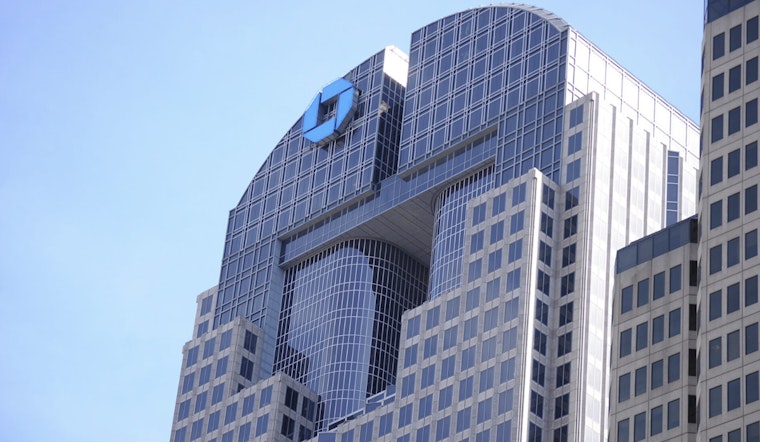
JPMorgan quietly slipped nearly $15 billion of debt into the market this month to bankroll the $55 billion takeover of Electronic Arts, pulling off a complicated financing while credit and commodity traders were on edge. Inside the bank the deal ran under the code name Project Eagle, and teams spent long days shuffling loans and bonds between desks and potential buyers to keep the whole thing aloft.
Bloomberg reconstructs how the bank threaded that needle, reporting that JPMorgan's risk committees were glued to geopolitical headlines, including a late‑week post by President Donald Trump, before finally signing off. The outlet details how the bank repackaged and staggered the sale across loan and bond markets so the full financing could clear despite elevated risk.
How Project Eagle Was Marketed
Once the sale opened, investor demand ran well ahead of what was on offer. One market report put orders at roughly $25 billion for the nearly $15 billion package while banks were pitching both loan and bond pieces at the same time. That coverage also noted a $5.75 billion cross‑border leveraged loan in the mix and said parts of the deal were priced specifically to lure long‑term institutional buyers, as reported by Investing.com.
Orders, Syndication And Risk
Bloomberg Law separately put the early order book at closer to $19 billion and laid out how JPMorgan structured both secured and unsecured pieces so different investor camps could pick the slices that suited them. That account says the bank leaned on long‑standing client relationships to syndicate the package and move chunks of it into buy‑and‑hold portfolios, limiting how much risk JPMorgan had to keep on its own balance sheet.
Why Timing Mattered
Timing the sale was critical. Markets were already on edge over developments in the Middle East, and a series of high‑profile threats and strikes pushed oil prices and credit spreads wider, making underwriters especially cautious about when to open the window. The geopolitical backdrop, along with the risk that a sudden jump in energy prices could chill appetite for new credit, was a central reason bankers staged and paced the offering, according to coverage by The Associated Press.
What Comes Next
The takeover itself is still governed by the consortium's $55 billion agreement and JPMorgan's committed financing, and Electronic Arts and its investors continue to expect the deal to close in the first quarter of the company's fiscal 2027. EA's own investor materials spell out the mix of financing and the closing timetable that will determine whether the bank's high‑wire debt sale holds up smoothly in the weeks ahead, according to Electronic Arts.





