

























































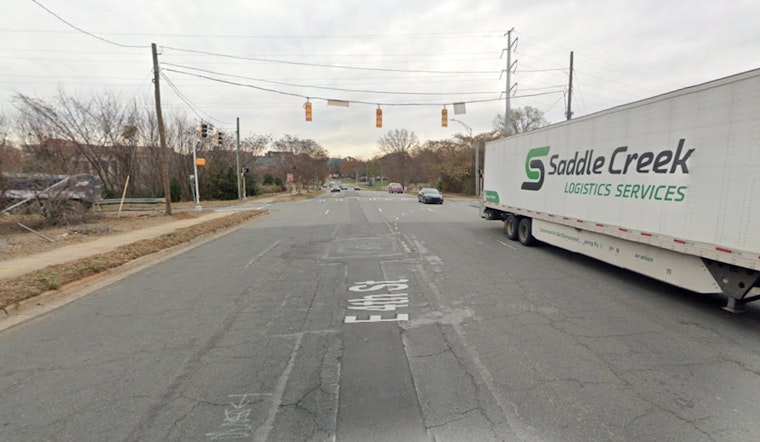
A Mecklenburg County judge yesterday heard dueling accounts of what really happened on Fourth Street during the June 2, 2020 Uptown protests, as attorneys argued over whether Charlotte‑Mecklenburg Police used unlawful force to corral and disperse the crowd. Dozens of people who were on the block that night say officers boxed them in, then hit them with tear gas, pepperball rounds and so‑called "stinger" grenades. Defense lawyers countered that officers were responding to threats and working to clear the area. The hearing is the latest chapter in a long legal and political fight that erupted after widely viewed body‑worn camera footage from that night surfaced and helped fuel local reforms.
Attorneys for plaintiffs press liability claims
Attorneys for more than 60 plaintiffs told the judge that the city and its officers should be held legally responsible for what unfolded on June 2 and urged the court to find them liable for damages, according to WCNC. They argued the tactics were part of a pre‑planned strategy to contain demonstrators along Fourth Street that left protesters with no safe way out. The sides also used the hearing to sort out scheduling issues and talk about the possibility of a trial later this year, the report notes.
Plaintiffs point to munitions and body‑cam audio
Plaintiffs told the court that while people were boxed in on Fourth Street, officers deployed tear gas, pepperball rounds and stinger grenades, and that court filings say more than 1,400 pepperball rounds were fired that night, according to WCNC. They also pointed to body‑worn camera audio in which officers can be heard saying they were hit by objects such as rocks and bottles, then argued those reports still did not justify the level of force used. "There was no threat, no riot, no reason to use force at the time they used it," attorney Luke Largess told the court, the outlet reports.
Defense: orders were given and immunity applies
Defense attorneys responded that dispersal orders were issued and that officers were trying to clear the area, not deliberately trap demonstrators, according to earlier reporting about the June 2 incident. They asked the court to extend public‑official immunity to the officers’ actions. The lawyers stressed that police were dealing with thrown objects and unpredictable behavior, which they say justified the use of crowd‑control measures. Local accounts of the night, including released body‑cam footage and command audio, helped shape how both sides described the confrontation in court.
Where this fits in the longer fight over crowd control
Videos and body‑cam audio from June 2 did not just fuel outrage; they also prompted civil‑rights groups to sue and helped push policy changes. Civil‑rights organizations and the city later negotiated limits on certain chemical agents and clearer dispersal protocols, according to the ACLU of North Carolina. That earlier case, and the reforms that followed, formed some of the backdrop for Friday’s arguments. For many protesters and advocates, the current lawsuit is still about accountability and making sure that night is not repeated.
What happens next
The judge said she would spend several weeks reviewing the filings and arguments before issuing a written ruling. If she rejects immunity defenses, the case could move closer to trial, and local reporting has previously detailed judges weighing whether the lawsuit should advance as a broader class action as the litigation has evolved over time, WFAE reported in 2022.





