

























































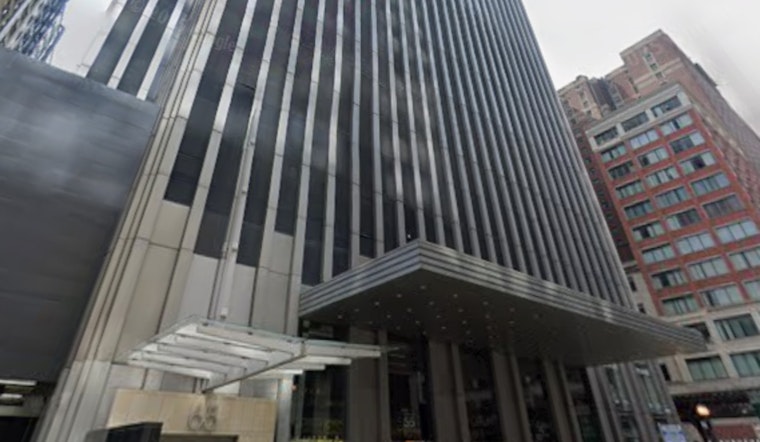
Chicago's immigration court is running on fumes. Over the past year, a wave of resignations, buyouts, and abrupt firings has thinned the bench, and the smaller roster is straining to keep up with a massive caseload. Nine judges have departed since January 2025, and the people who remain are grinding through marathon shifts and crowded calendars just to keep the lights on procedurally.
The crunch is colliding with a surge in federal enforcement operations in the region, which is feeding even more cases into an already overloaded system. For many Chicago-area immigrants and their attorneys, that translates into longer waits for hearings and growing anxiety about whether the process will feel fair by the time they finally get in front of a judge.
Staffing Crunch: The Numbers
Chicago's main immigration docket now has 14 permanent judges and two temporary judges, down from 21 in January 2025. Those nine missing judges left through resignations, buyouts, or removals, according to the Chicago Tribune. That is not a small staffing hole to climb out of.
To keep calendars moving at all, the court has started leaning on military and other detail judges, shuffling in temporary reinforcements while officials scramble for ways to process hearings fast enough to keep the backlog from getting even worse.
Backlog And Wait Times
The number of pending cases in Chicago sits in the low hundred thousands, far higher than a decade ago, according to TRAC and local reporting. That kind of docket means many people are waiting years for their day in court.
It is not just a Chicago problem. Nationally, the immigration court backlog still runs into the millions, according to data tracked by TRAC. When you are dealing with numbers like that, every vacancy and every policy shift on a local bench can ripple far beyond one city.
Judges Say Directives Are Reshaping The Bench
Former chief immigration judge Sheila McNulty told reporters the remaining judges are under "unbelievable" pressure. Some judges say new administrative directives are changing how they do their jobs in ways that go well beyond simple paperwork.
One flash point is a policy that requires written opinions when a judge does not deliver an oral ruling at the end of a hearing. That sort of procedural rule might sound technical, but judges say it can dramatically affect how quickly they can move through cases. Concerns about those directives, along with the personnel decisions, have helped fuel appeals and administrative complaints from former judges who argue that the changes risk tilting outcomes, according to the Chicago Tribune.
Federal Fixes: Military Lawyers And Temporary Judges
To plug the staffing gaps, the Justice Department and the Pentagon have started identifying military and other detail lawyers for short stints on immigration dockets. A memo authorizing groups of military attorneys to provide brief details to the courts was reported by the Washington Post.
Advocates and some lawmakers warn that relying on judge advocates and other detailers could create due process problems and put new strain on military legal pipelines. Federal officials, for their part, say these redeployments are meant to chip away at clogged calendars, not rewrite how justice is delivered. No one is calling it a perfect solution, but it is the one being rolled out.
Legal Pushback And Local Reaction
Several judges who were removed or who left the bench are pursuing administrative appeals and exploring lawsuits. Unions have been tracking those exits as part of a broader pattern described by local outlets, suggesting that what is happening in Chicago fits into a larger national story about who sits on immigration benches and under what conditions.
Sen. Dick Durbin has publicly questioned the abrupt termination of court leaders in a statement from Durbin's office, and judges who were dismissed told CBS Chicago they received little explanation for why they were shown the door. Between the legal filings, congressional scrutiny, and public criticism, Chicago's immigration court staffing crisis is likely to keep playing out in multiple forums for months to come.
What To Watch Next
Observers are watching for Merit Systems Protection Board activity, fresh administrative guidance from the Executive Office for Immigration Review, and any signs that detailee judges are being trained and folded into courtroom workflows quickly enough to matter.
In the meantime, people with cases in Chicago and the lawyers who represent them are stuck with a shorthanded bench, slower calendars, and intensifying pressure on the judges who are still there to make what are often life-altering decisions, one case at a time.



