

























































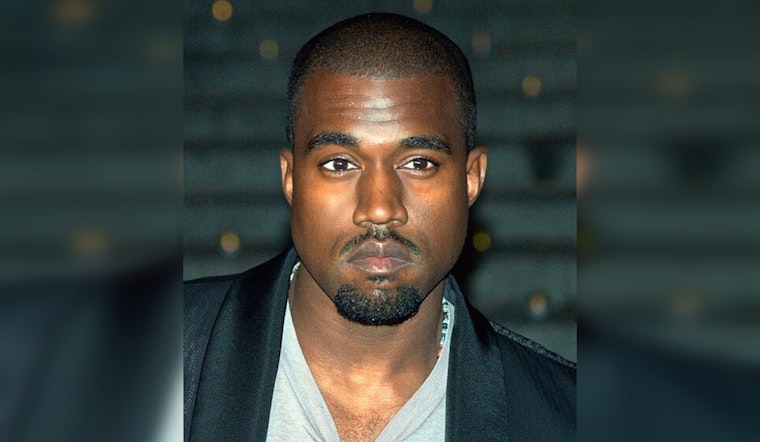
Hundreds of small investors who bought into the dream of reviving Kanye West’s stripped-down Malibu beach house are now staring at the possibility of losing their stakes, after the developer behind the project was hit with a mortgage default and a looming foreclosure sale. The property, a Tadao Ando-designed concrete home on Malibu Road, was acquired last year by Steven “Bo” Belmont’s Belwood Investments and financed through a mix of private lending and small retail contributions. With a trustee auction reportedly set for March 19, the race to refinance or cure the default has turned urgent for design-obsessed buyers and local preservationists who have been watching the saga unfold.
As reported by The Wall Street Journal, the auction date surfaced after word that the project’s $18.5 million acquisition loan had slipped into default and that hundreds of mostly small-time investors had put money into the rebuild. Realtor.com previously documented the lender’s notice of default, reporting that Quality Loan Service Corp. alleged Belwood owed roughly $814,000 in missed payments as of early November. Taken together, the coverage sketches a high-profile restoration sliced into small stakes that could unravel entirely if Belmont fails to close a refinancing deal in the coming days.
How the financing worked
Belwood’s funding model leaned on a membership program called Populis, which sold “SmartDeeds” that let participants buy into a curated roster of architecturally notable properties for amounts ranging from $1,000 up to a $300,000 founders tier. The Real Deal reported that the tiered structure was pitched as a way to democratize access to luxury real estate while spreading renovation risk across many contributors. In practice, that meant dozens or perhaps hundreds of people could have relatively small sums tied up in a project whose capital stack also relied on a large private loan.
Small investors now face uncertain returns
According to The Wall Street Journal, many of those backers are retail buyers who believed a careful restoration would rebuild the property’s value and, by extension, their own. Portland architecture enthusiast Eric Mastalir told the paper that “the property just kind of spoke to me,” a comment that goes a long way toward explaining why nonprofessional investors bought into such a niche project. If the trustee sale moves forward to satisfy secured debt, those smaller retail contributions are at real risk of being wiped out.
What the architecture community lost
The house is one of a small number of Tadao Ando-designed residences in the United States, and its spare concrete aesthetic has sparked strong reactions from preservationists and designers ever since West decided to gut the interior. Local reporting has tracked the stop-start path from Ando’s original build to Kanye’s controversial renovations and later to Belwood’s purchase and partial restoration. The Malibu Times noted that Belwood began investor-funded restoration work before testing the market, a move that only intensified scrutiny as the property changed hands and business plans.
What happens next
The developer’s immediate choices are to cure the default, refinance the loan, or allow a trustee sale to proceed, and each path carries different consequences for retail backers and for the home’s future. Realtor.com reported that Belmont was working to rectify the delinquency, while The Real Deal laid out the membership structure that drew retail capital into the project in the first place. Developments over the next week will determine whether this widely watched restoration limps forward or simply collapses into a conventional foreclosure outcome.
For Malibu residents and architecture fans, the story has become both a real-estate test case and a cautionary tale about plugging retail money into risky, high-profile restorations. Expect fresh filings or trustee-sale notices tied to the property in the coming days as lenders and the developer try to patch the shortfall.





.jpg)