

























































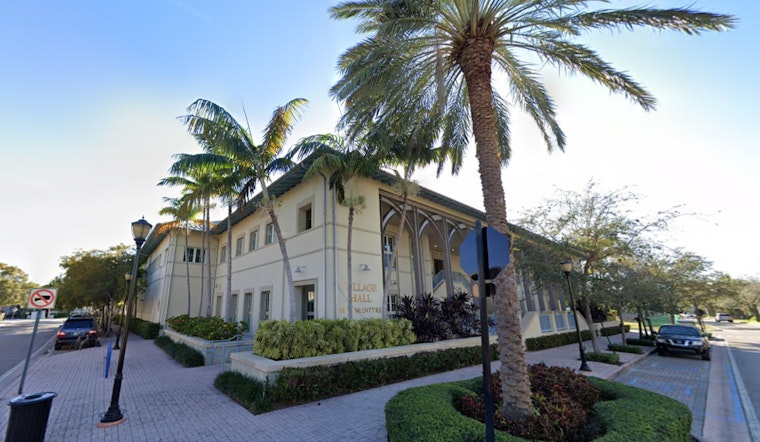
After months of legal sparring over a controversial “gag” rule, Key Biscayne’s Village Council has voted to settle a First Amendment lawsuit brought by the Key Biscayne Independent, agreeing to cover the nonprofit outlet’s legal costs and scale back the village’s tight lid on staff communications with the press. The deal includes a $25,000 payment for attorneys’ fees and a promise to publicly roll out and take comment on any future media policy proposals. The vote ends a months long fight that started when the village adopted a policy restricting how employees could talk to reporters.
Village councilmembers approved the settlement Tuesday night, agreeing to pay $25,000 in attorneys’ fees and costs to the Independent. The nonprofit had filed a federal lawsuit in June 2025, arguing that the village manager’s policy barred staff from talking with reporters unless they were cleared by either the manager or the communications director. The settlement still has to be filed with the court before it is considered final.
How the Village’s ‘Gag’ Policy Worked
In its complaint, the Independent, represented by attorneys from the Reporters Committee for Freedom of the Press, said the policy adopted in late 2024 prohibited staff from “communicat[ing] in any manner with any media entity” without prior approval, according to the Reporters Committee for Freedom of the Press. The lawsuit argued that the blanket rule chilled basic newsgathering, since there were no standards or timelines for when requests would be approved. The complaint walks through specific examples of past reporting that had depended on village employees and claims the new policy abruptly cut off those long-standing reporter–source relationships.
How Both Sides Are Spinning the Deal
Independent editor Tony Winton said the policy made watchdog reporting a lot harder and “impaired the ability of our reporters to get information to serve the public,” according to WLRN. Village Manager Steve Williamson told the station the intent was not secrecy but a clearer, more coordinated approach to dealing with the media, and said the village is glad the lawsuit is wrapping up. Winton also publicly thanked readers and supporters who backed the outlet throughout the fight.
What the Settlement Actually Does
Under the agreement, the village must publicly announce any future plan to create a policy governing communications with the media and give residents a chance to comment before adopting such a rule, according to reporting by The Miami Herald. The $25,000 payment covers the Independent’s attorneys’ fees and costs, and the settlement will be finalized once it is filed in federal court. The council signed off on the deal at its meeting this week.
Why the Legal Exit Ramp Matters
The original complaint sought injunctive relief under 42 U.S.C. § 1983, arguing the gag policy violated the public’s right to receive information and clashed with existing federal precedent, according to the CourtListener copy of the filing. By settling before a judge could rule, the village sidesteps a formal decision that might have created binding precedent for other local governments, even as the notice and public-comment requirements put some guardrails around any future attempt to roll out a similar policy.
The agreement closes this particular case but leaves a bigger question hanging over small-town halls everywhere: how far local governments can go in regulating what their employees say to the press, and how transparent they are willing to be about it. Reporters and open-government advocates are expected to keep a close eye on any future draft policies Key Biscayne posts for public comment to see whether they follow the spirit, not just the letter, of the settlement.





