

























































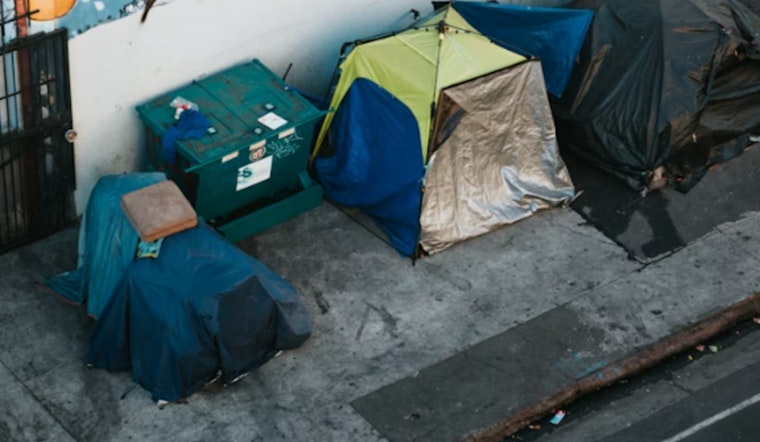
Los Angeles City Controller Kenneth Mejia says the city talked a big game on homelessness in fiscal year 2025-26, then spent only about half of what it budgeted. Out of roughly $961 million set aside for homelessness, or about $1.1 billion when carryovers are included, the city actually spent $516 million and encumbered another $119 million, leaving about $473 million on the table. Mejia is warning that the gap is not just a bookkeeping quirk; it means housing and services people need right now are being pushed off into the future.
Controller's tally: the gap and where the dollars sat
According to the City Controller’s homelessness dashboard, the FY25-26 homelessness appropriation totaled $961 million, about $1.1 billion when additional appropriations and prior-year carryover are counted. Of that, $516 million was spent, and $119 million was encumbered, which still left roughly $473 million unspent. Data from the City Controller’s Office show that most of those idle dollars are parked in special funds that typically roll into the next fiscal year instead of hitting the streets now.
A pattern, not a one-off
This is not a one-year fluke. Mejia’s earlier work already flagged a similar problem, finding that the city spent only about $599 million of a $1.3 billion homelessness budget in a prior year and left more than $500 million unspent, according to the Los Angeles Times. Seeing the same pattern repeat has sparked questions about how quickly the city can move contracts and whether its big public promises on homelessness are inflated by money that is never realistically going to be spent within a single year.
Why so much didn’t get used
Mejia’s analysis points to several structural reasons for the lag. Multiyear state grants such as HHAP are not scheduled to be spent all at once, so large chunks are planned for future years. Measure ULA affordable-housing approvals can take up to three years to move forward. There are delays in approvals and contracting for tenant protections and related services. On top of that, chronic understaffing and a decentralized setup for homelessness programs slow everything down. The report notes that some of the money is encumbered and may eventually get out the door, but a lot of it is still sitting while housing and services take longer to reach people who are already on the edge.
Mejia’s fixes: smaller appropriations, clearer timelines
"For the second year in a row, the city ended up spending much less on homelessness than it promised," Mejia said, arguing that the city should only appropriate the funds it is reasonably sure it can spend within that fiscal year. As reported by MyNewsLA, he also recommended listing HHAP grants only in the years when the money will actually be used, clearly spelling out timelines for unspent Measure ULA dollars, boosting staffing to speed up contracting, and publishing monthly or quarterly spending updates so the public can see in real time what is happening with the money.
Mayor and council respond
Mayor Karen Bass said she backs Mejia’s recommendations and pointed to progress the city has already made, including a 17% drop in street homelessness in the 2025 point-in-time count. Councilwoman Nithya Raman, who chairs the Housing and Homelessness Committee, said the city has once again spent far less than it allocated and is working on creating a Bureau of Homeless Oversight. Raman told MyNewsLA that “nearly a year later, not one staff member has been hired,” and Councilwoman Ysabel Jurado called for immediate action.
Mejia’s office began formally tracking homelessness spending in FY2024-25, putting numbers behind what had often been a murky process. With the controller now pushing for more realistic budgets and faster approvals, the next move belongs to the mayor’s office and the City Council. If they follow through with quicker contracting, stronger central oversight, and clear timelines, hundreds of millions of dollars that now sit idle could begin to move faster and reach Angelenos who need help sooner rather than later.





