

























































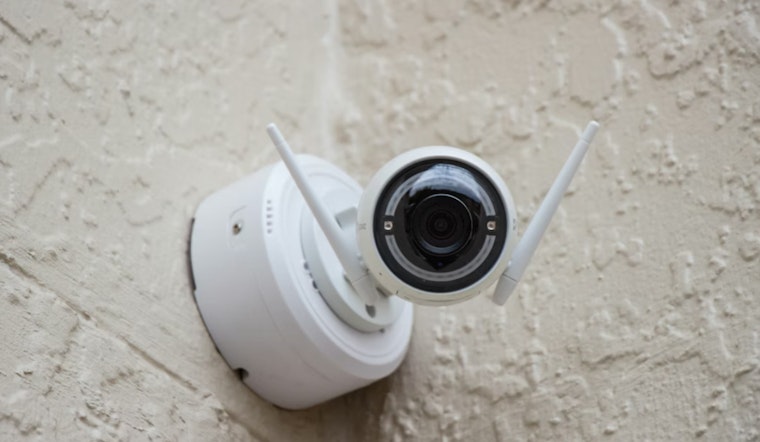
A Los Angeles County woman says a volunteer at her mother's senior living community sexually assaulted the dementia patient in her room, and that the entire encounter was captured on an in‑room camera. The family has gone public with the allegation, sharpening long‑running worries about who is watching over residents in memory‑care settings when those residents cannot reliably speak for themselves.
According to a report from FOX 11 Los Angeles, the station aired a short segment on Wednesday stating that the video appears to show the alleged assault. The outlet did not name the facility and did not report that any criminal charges have been filed or that law enforcement has publicly identified a suspect. The broadcast also did not include a statement from the senior community.
Camera Footage and the Privacy Tightrope
For families, in‑room cameras can feel like the only way to know what is really happening behind a closed door, especially when a loved one has dementia and cannot give clear or consistent accounts. At the same time, those cameras land facilities in a legal and ethical gray zone.
Industry reporting has found that California's rules around video in resident rooms are uneven. Some senior communities themselves install cameras for safety, while in other cases, families quietly set them up. Policies differ from facility to facility, and there is no single statewide law that definitively settles questions about consent, privacy, and when footage can be shared. As McKnight's Senior Living has noted, the patchwork leaves families, residents, and operators to hash out how to preserve potential evidence without stripping residents of dignity in what is supposed to be their home.
What Families Can Do Right Now
When abuse is suspected, advocates say the priority is to hang on to any evidence. Save video clips, write down dates and times, and note who might have seen or heard something. Then contact local police so that, if appropriate, a criminal investigation can be opened.
Los Angeles County Aging & Disabilities says Adult Protective Services runs a 24‑hour elder abuse hotline at 1‑877‑477‑3646. Families can also reach out to the Long‑Term Care Ombudsman program for independent advocacy.
State complaint routes depend on the type of facility. Nursing home complaints go to the California Department of Public Health. Assisted‑living and Residential Care Facilities for the Elderly complaints go to the Community Care Licensing Division at the California Department of Social Services. For step‑by‑step guidance and what to expect after filing, advocates point families to CANHR and the California Department of Public Health.





