

























































A Los Angeles area startup that builds pickup-truck-sized nuclear microreactors is closing in on a live test at Idaho National Laboratory, backed by a hefty funding round and a growing South Bay factory footprint. Antares says its upcoming demonstration will validate fueling and control systems before it moves to electricity-producing units, with CEO Jordan Bramble openly talking about making “energy abundant from Earth to the asteroid belt.” Modest it is not, but the roadmap is getting real.
Funding and factory push
Antares closed a $96 million Series B late last year, a mix of new equity and debt that the company says will pay for equipment, a factory build and fuel procurement. According to Crowell & Moring, the December round included $71 million of new equity and $25 million of debt and brings the company's total financing to roughly $130 million. Executives say that capital is meant to push Antares from design work into steady, repeatable hardware production.
What the reactors look like
Antares' R1 microreactor is a transportable, factory-built unit designed to produce roughly 100 kilowatts to 1 megawatt of power using TRISO-style fuel and passive heat-pipe systems, according to Antares. The company pitches the hardware for deployments where diesel or grid power is unreliable, including remote bases, ships and even potential lunar installations, a focus that CEO Jordan Bramble discussed in an interview with the Los Angeles Business Journal. In other words, it is nuclear as a portable utility service for places where a power line is never going to show up.
INL test and the DOE milestone
In late January, the Department of Energy cleared Antares' Preliminary Documented Safety Analysis for its Mark 0 demonstration, authorizing the company to assemble and test a full-scale core at Idaho National Laboratory's Building 793. Antares said the PDSA approval paves the way for a low-power demonstration targeted to reach criticality before July 4, 2026, and the company expects to follow with a full-power, electricity-producing prototype in 2027, per a company release via Business Wire. If those dates hold, Antares will move from paper designs to operating metal in just a few years.
Training and regional partnerships
Antares has been building partners beyond California as it tries to line up future workers and testing resources. It signed a memorandum of understanding with the University of South Carolina Aiken to create internships and seminars, according to USCA, and it is listed among industry partners in Savannah River National Laboratory's Advanced Manufacturing Collaborative, per SRNL. Together, those linkages form part of a broader strategy to tap local workforce pipelines and lab testing capabilities across the Southeast.
Manufacturing footprint in the South Bay
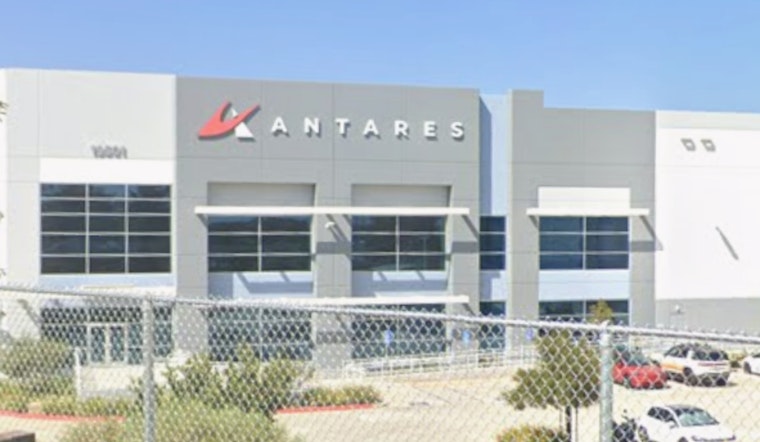
Closer to home, Antares has been expanding its Los Angeles area operations. The company says it opened a 145,000 square foot manufacturing and R&D site called Antares Prime in 2025 and is scaling that footprint to support early production, according to Antares. Local reporting has framed the facility, along with satellite offices in Idaho Falls and Aiken, as part of a strategy to iterate hardware quickly rather than rely on long supply chains, according to the Los Angeles Business Journal. In practical terms, Antares is trying to keep design, testing, and manufacturing tightly looped instead of spread across continents.
How it's regulated
The DOE's Reactor Pilot Program gives companies a fast-tracked pathway to test advanced designs at national labs, but that path is not the same thing as a Nuclear Regulatory Commission construction and operating license for commercial deployment, experts warn in coverage by Nuclear Engineering International. That outlet and Idaho National Laboratory's NRIC note that PDSA approval clears a key safety hurdle for a demonstration, but broader licensing and fuel cycle approvals remain separate processes that Antares will still have to navigate.
For local readers, the near-term milestone to watch is Antares' Mark 0 reactor reaching criticality during the DOE pilot program schedule before July 4, 2026, followed by an electricity-producing demonstration in 2027 and production units as soon as 2028, according to TechCrunch. The company's fundraising and factory expansion are aimed at hitting those deadlines and locking in military and space customers that would use the units in austere settings where conventional power is not an option.




