

























































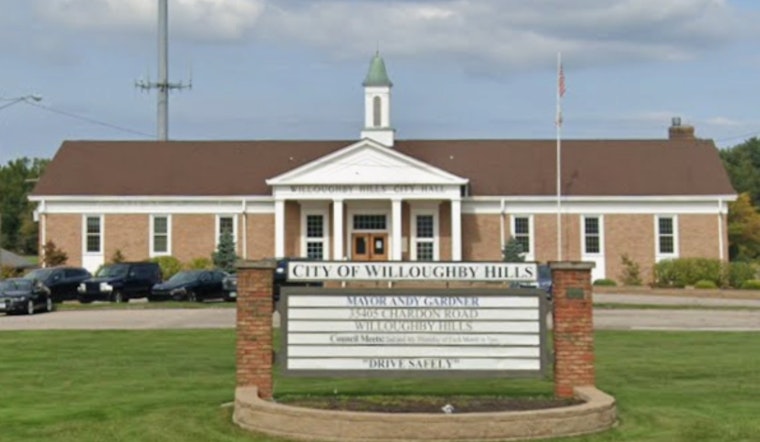
Scammers are working the phones in Willoughby Hills, dropping messages that sound like they are straight from a police station and leaning hard on fear to pry loose cash and personal information, according to local authorities.
As reported by Cleveland 19 News, the Willoughby Hills Police Department says it has received “multiple reports” from residents about calls and voicemails from people claiming to be law enforcement. In one example, a voicemail from 706-616-3091 featured a man identifying himself as Sgt. Brian Sweat with the Lake County Sheriff’s Office. Officers say the callers use official-sounding titles and pressure tactics, and in some cases urge targets to send money or give up sensitive information.
Police are reminding residents that legitimate officers will not demand payment by gift card, cryptocurrency, or wire transfer, and they will not insist that you stay on the line while you withdraw or move money.
How the scam typically works
These impersonators usually call, text, or leave voicemails claiming to be from a police department or government agency, then turn up the heat with threats or deadlines to push victims into fast payments. The Federal Trade Commission warns that caller ID can be spoofed, so the number that pops up on your screen may be fake.
According to the FTC, real government offices and law-enforcement agencies will not insist on payment by gift card, cryptocurrency, or wire transfer. The agency advises people to hang up, avoid clicking any links or replying to unexpected texts, and instead contact the office directly using the phone number or website listed on its official page. The FTC also outlines how to report these scams and how to start recovery steps if you already sent money or shared information.
Dangerous impersonators in the region
Not every impersonator is content to stop at a phone shakedown. In recent regional cases, people driving vehicles equipped with flashing red and blue lights have pulled over motorists and then robbed them, turning a phony traffic stop into a crime scene.
News 5 Cleveland reported that authorities have released images of suspected vehicles and urged drivers who are unsure whether they are being pulled over by a real officer to call 911 so a dispatcher can confirm the stop in real time.
What to do if you get a suspicious call
If a caller claims to be law enforcement and demands money or personal data, hang up immediately. Then look up the agency’s official phone number on its website and call back to verify whether the contact was legitimate.
The FBI advises anyone who believes they have been targeted in one of these schemes to file a complaint with the Internet Crime Complaint Center at IC3. The Federal Trade Commission accepts reports and offers step-by-step recovery guidance at ReportFraud.ftc.gov.
If someone shows up at your door claiming to be an officer and you feel uneasy or threatened, police say you should keep the door locked, speak through the door instead of opening it, and call 911.
Local officers are urging residents to stay skeptical, spread the word, and check in with older family members, who are frequent targets of this kind of fraud. They also recommend saving any suspicious voicemails, texts, or call logs, then turning them over to local law enforcement along with filing reports through the federal fraud-reporting sites.




