

























































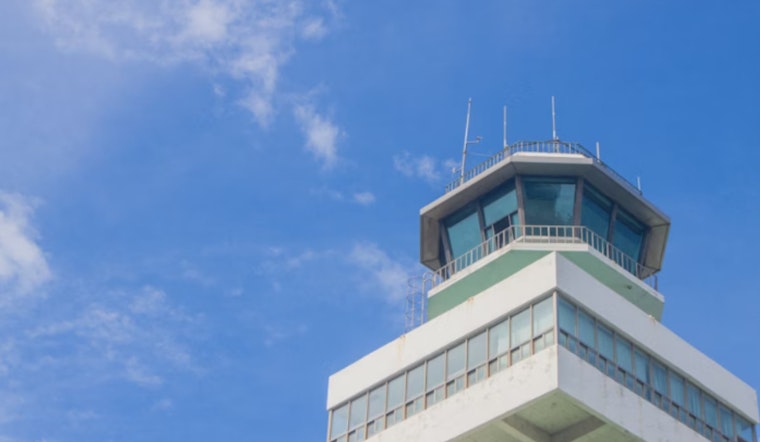
In the glassed-in control rooms above Harry Reid International Airport, the people guiding every takeoff and landing are working with less backup than they say they need. With staffing lagging well behind targets, Las Vegas air traffic controllers are pulling long weeks to keep flights moving, and current and former insiders warn the safety cushion they usually count on has gotten uncomfortably slim.
Short staff, long shifts
As of 2024, the two facilities that manage Las Vegas air traffic had a combined 65 certified professional controllers, well below the airport’s target of 97, according to KTNV. Retired training manager Kevin Johnson told the station that “controllers are being pushed to their limits,” and local controllers describe routine six-day workweeks and frequent overtime just to cover the schedule. Managers say the shortage hits both tower and radar positions, which tightens operations when bad weather or regional disruptions crop up and can lead to more holdovers and extra pressure on the remaining certified staff.
FAA ramps hiring but relief will take time
The Federal Aviation Administration has updated its workforce plan and says it expects to hire at least 8,900 new controllers through 2028 while streamlining how quickly candidates move through the system, according to the Federal Aviation Administration. The agency, along with the Transportation Department, is offering financial incentives, with reports that trainees can receive about $5,000 when they graduate and up to $10,000 for taking hard-to-staff assignments. Even so, agency officials and trainers caution that limited academy slots, lengthy on-the-job qualification periods and normal attrition mean it will take months or even years before new hires noticeably ease the pressure at complex facilities like Las Vegas.
Work rules, fatigue and safety
The FAA’s work schedule order spells out the limits clearly: “Do not work more than 10 operational hours in a shift,” and it mandates minimum rest periods between watches to keep fatigue in check, according to FAA Order JO 7210.3. Local reporting, however, shows some controllers are regularly racking up heavy weekly totals as facilities lean on overtime to fill gaps, with KTNV noting staff who log as many as 60 hours in a week. The FAA says the system is built with monitoring and redundancy, but unions and safety advocates argue that long-term understaffing chips away at the system’s ability to handle weather issues and wider regional disruptions both safely and smoothly.
What it means for travelers
So far, the strain has mostly stayed behind the scenes. Flight-tracking data and airport officials indicate that Harry Reid’s flights have largely remained on schedule, and Clark County aviation staff told reporters that crews have been showing up, according to The Nevada Independent. Even so, experts say the system is now less forgiving when several stressors collide. Peak traffic, fast-moving storms or ripple-effect delays from other regions could mean throttled traffic or longer holds for passengers who would rather be at the blackjack tables than circling above them.
Industry leaders and former trainers say a lasting solution will depend on steady hiring, better retention and training that is faster but still careful, not just short-term bonuses. For now, most travelers may not notice any obvious day-to-day changes, but the staffing squeeze is a big reason controllers and managers say the airport is operating close to capacity and why they keep calling for sustained investment in the workforce that keeps Las Vegas’s busy skies in order.





