

























































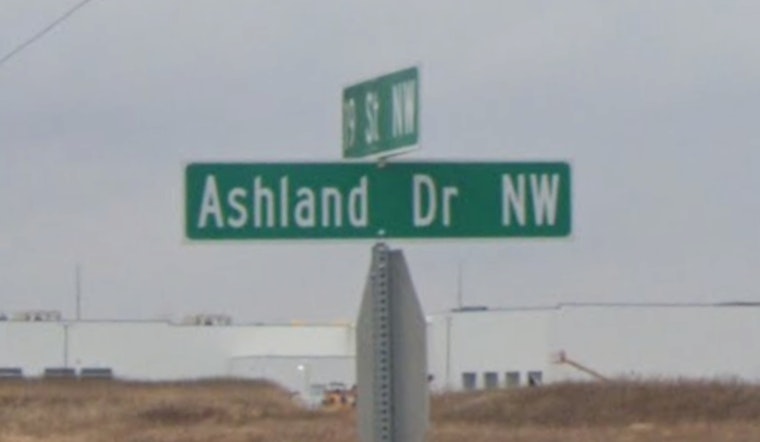
A late-night mental health crisis call in northwest Rochester ended in deadly gunfire Wednesday, after a Rochester police officer shot a man during a confrontation inside a home on Ashland Drive. Authorities say the incident began as a welfare intervention and ended hours later at a hospital, where the man was pronounced dead. City officials have asked the state to step in for an independent review while local investigators continue to gather evidence.
What Police Say Happened
According to Rochester police, officers responded around 9:30 p.m. Wednesday to a residence in the 1900 block of Ashland Drive NW, accompanied by a social worker from the department’s crisis response team. They were there to place the man on a 72-hour emergency hold. During the contact, police say a struggle broke out and the man grabbed an officer’s firearm. Another officer then fired, striking the man.
Medical personnel took the man to Mayo Clinic Hospital’s Saint Marys Campus, where he was later pronounced dead, the department said. Rochester police have not released the names of the officers involved. Early information about the incident was first shared with the Pioneer Press.
Independent Review By State Investigators
The Rochester Police Department has requested that the Minnesota Bureau of Criminal Apprehension’s Force Investigation Unit handle an independent investigation into the use of force, a step local agencies commonly take after officer-involved shootings. The BCA unit is tasked with collecting physical evidence, reviewing video, and interviewing witnesses, then compiling a report that is typically sent to county prosecutors to decide whether criminal charges are warranted.
The Minnesota Department of Public Safety has outlined the BCA’s responsibilities and procedures in use-of-force cases in its public notices and guidance. Minnesota DPS.
How Emergency Holds And Crisis Teams Work
Authorities said the man had been placed on a 72-hour emergency hold, a short-term detention tool used when a person is believed to present an imminent danger to themselves or to others. Minnesota law also sets standards for mobile crisis teams and co-responder models that pair mental health professionals with officers for on-scene evaluations and interventions.
State statutes spell out when emergency holds can be used and the requirements for crisis-response services. See Minn. Stat. §144.4182 and broader crisis-service provisions in Minn. Stat. ch. 256B.
What Comes Next
The BCA investigation will pull together body-worn camera footage, witness interviews and other physical evidence, then prepare a report for the county attorney’s office. Prosecutors will review that material to determine whether any criminal charges are appropriate.
Minnesota law and BCA policy control how and when investigative reports and video are released to the public, and those disclosures typically come only after key evidence is collected and an initial legal review is complete. State and city officials say further updates will be provided as the investigation moves forward. Minnesota DPS.
Local Response And Ongoing Questions
Rochester police have not yet released the names of the officers involved, and officials say they intend to share more information once investigators finish their work. Officer-involved deaths that begin as mental health crisis responses frequently reignite local debate over how police, social workers, and mobile crisis teams should coordinate on high-risk calls.
This story will be updated as more details are confirmed. Initial reporting on the incident was carried by the Pioneer Press.



