

























































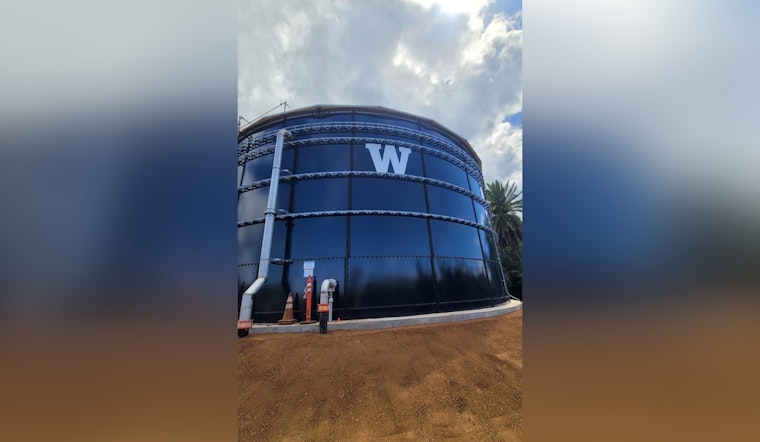
The Līhuʻe Wastewater Treatment Plant has been struggling with intermittent discharges since Tuesday morning, with county officials estimating roughly 70,000 gallons a day spilling inside the facility. Crews say the releases have stayed within the treatment plant grounds and have not reached public areas or state waters. Workers are disinfecting pooled wastewater, adjusting flows to keep everything on-site, and trying to buy time while longer-term fixes are worked out.
County officials point to shrinking capacity in the plant’s underground injection wells as the culprit, warning that more on-and-off releases could hit whenever heavy rain or other peak-flow periods push the system to its limits. The Wastewater Management Division is working with state health regulators on ways to expand injection capacity and boost R-1 reuse distribution so the plant is not operating so close to the edge.
County Posts Details And Response
According to County of Kauaʻi, the intermittent discharges at the Līhuʻe plant started at about 10 a.m. Tuesday and have been popping up during early-morning, late-morning, and evening peak flows. The county’s notice pegs the ongoing release at about 70,000 gallons per day and again stresses that the wastewater remains contained on the treatment plant property, with no flow into state waters.
County crews are monitoring and adjusting system flows in real time and carrying out extra on-site disinfection where the water is pooling. The Wastewater Management Division says it is moving ahead with both short- and long-term projects meant to relieve strain on the system by increasing injection-well capacity.
State Monitoring And Public-Health Context
The Hawaiʻi Department of Health routinely samples wastewater at the Līhuʻe facility. In January 2025, the department reported that its labs had detected very low levels of H5 avian influenza in samples from the plant, a signal officials described as low and not evidence of confirmed infections. The finding served more as an early-warning blip than a full-blown alarm.
Hawaiʻi Department of Health officials note that routine wastewater testing can surface unusual patterns that then trigger follow-up sampling and public-health guidance if needed. County staff say they are coordinating with state counterparts on plans to expand underground injection control capacity and increase reuse distribution, both to manage the current situation and to shore up the system for the long haul.
Repeated Infrastructure Strains On Kauaʻi
This latest notice lands on an island that has already seen its fair share of wastewater headaches. In April 2025, the county reported a roughly 6,000-gallon spill at the Wailua Coco Palms sewer pump station, Kauaʻi County reported. Hoodline previously covered a larger Hanapēpē spill in late 2024 that forced emergency repairs and road closures.
Those earlier incidents led to cleanup operations and short-term fixes while county crews worked on more permanent upgrades to both treatment capacity and injection systems. The Līhuʻe plant’s current squeeze on injection wells fits into that pattern of aging or undersized infrastructure being pushed hard by demand and wet-weather surges.
What Residents Should Watch For
For now, the county says there is no sign that the Līhuʻe discharge has reached beaches or state waters. Officials are telling residents to keep an eye on updates from the County of Kauaʻi and the Hawaiʻi Department of Health for any test results or advisories that might change that outlook.
Anyone with questions is directed to contact Donald Fujimoto with the Wastewater Management Division at 808-241-4083 or [email protected], according to the county’s notice. Officials caution that high flows may continue during rain events and that intermittent discharges are likely to persist until underground injection control capacity and reuse options are expanded enough to give the system more breathing room.




