

























































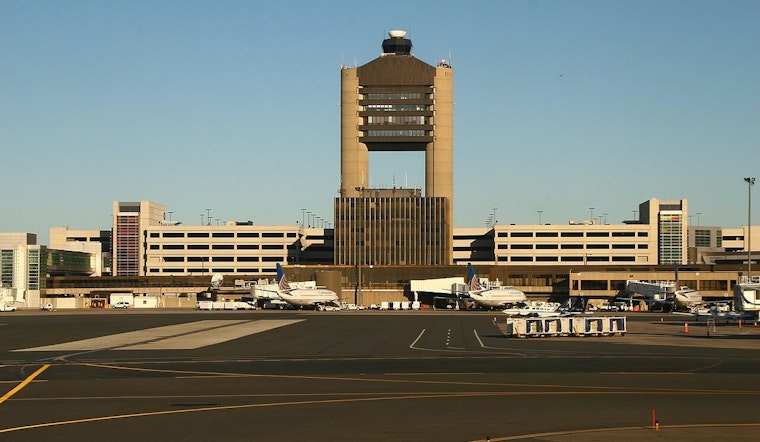
Logan International Airport workers say a federal security crackdown has pushed dozens of them off the job with little warning. On Friday, local union 32BJ SEIU and four airport employees filed a federal lawsuit accusing the Department of Homeland Security of improperly revoking the security clearances known as customs seals that allow them to work in secure areas at Logan. The complaint says roughly 80 workers at the airport have lost their badges or jobs since last April and alleges the agency has targeted people with Temporary Protected Status, pending asylum claims and pending green card applications. The plaintiffs are asking a judge to restore their access and force the government to follow an appeals process they say is required by existing rules.
According to Axios, the suit was filed in federal court in Boston and names U.S. Customs and Border Protection as the agency that has rescinded customs seals for about 80 workers since last April. Union officials say similar badge losses are showing up at airports in San Francisco, New York and Orlando, and argue CBP is stretching a long-standing security rule far beyond its original intent. "They're using flimsy arguments to violate... agreed-upon rules in order to take the jobs of immigrant workers," Local 32BJ executive vice president Kevin Brown said at a news conference, as reported by Axios.
Workers Say They Were Blindsided
One of the plaintiffs, cabin cleaner Daysi Rocha Cruz, told reporters she thought she had done everything right after receiving a work permit and starting her job at Logan. Instead, she said she was stunned to receive a CBP letter revoking her customs seal and placing her into removal proceedings. As reported by WBUR, Rocha Cruz maintains she still had valid work authorization, and says the federal notice flew in the face of what her attorney had told her about her immigration status. Union leaders say her experience mirrors that of other members who suddenly found themselves locked out of secure areas and off the schedule.
Union Says Feds Are Rewriting the Rules
Local 32BJ argues CBP is leaning on an "unacceptable risk" standard that historically has been reserved for clear safety or national security threats, not for picking apart routine immigration paperwork. Axios notes that the federal regulations governing customs seals date back decades and were tightened after 2001. The union says the way that standard is being applied now is something new. They also say the change is rippling through Logan’s daily operations, since many front-line service jobs require a customs seal that, under the new approach, only a smaller share of workers can get or keep.
Legal Stakes for DHS and Airport Workers
The lawsuit asks the court to restore the workers’ seals and to require CBP to follow the appeal procedures outlined in the regulations, a process the plaintiffs say has been short-circuited. Massport declined to comment and CBP did not respond to requests for comment, WBUR reports. If the court sides with the plaintiffs, it could force the agency to spell out when port directors may invoke national security or aviation safety exceptions, and clarify whether employees who have valid work authorization can still be denied access under the current interpretation.
What Comes Next
Union leaders say they plan to press for quick, temporary relief that would allow affected workers to return to their shifts while the case moves forward. They argue the lawsuit could set a national precedent for how DHS agencies juggle immigration enforcement and aviation security at major airports. For now, the plaintiffs are asking the court to halt any additional badge revocations while the legal fight plays out. NBC Boston aired a video segment on the filing and the union’s news conference, featuring the workers’ own accounts of how losing a small piece of plastic turned their lives upside down.





.jpg)