

























































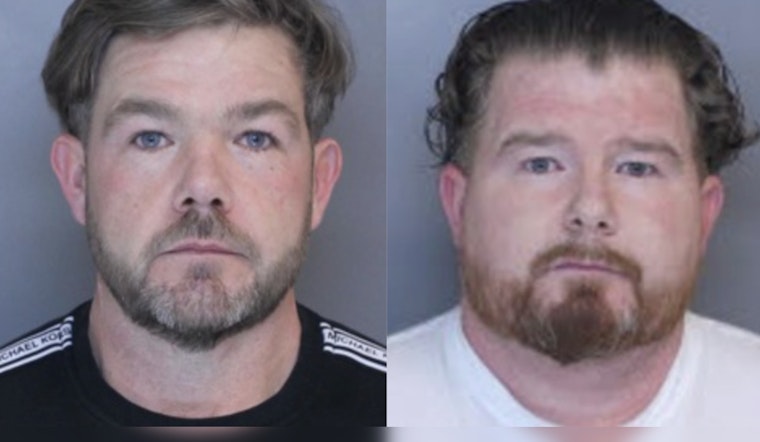
Lower Merion Township police say a weeks-long probe into suspicious paving work on the Main Line has ended with two arrests and a warning for anyone who recently hired driveway or parking-lot crews. Investigators allege a network of sham contracting outfits moved from job to job, promising fresh pavement, collecting payment and then walking away from substandard or unfinished work. Officers are now urging residents and business owners to dig out their contracts and receipts after learning the suspects allegedly cycled through multiple business names to stay off the radar.
According to a post on the Lower Merion Township Police Department's Facebook page, the investigation led to the March 12, 2026 arrests of two men identified as Scott Bradley and Jake Fox. Police say the pair are linked to several trade names and are alleged to be part of what the department describes as an organized fraud group operating in the greater Philadelphia area. Investigators also say records connect the men to alternate names, noting that Jake Fox was born Patrick Quinn and Scott Bradley was born Johnny Joseph Quinn, while detectives continue working to identify additional potential victims.
Police Ask Victims To Come Forward
Police are asking anyone who paid or was approached by paving crews tied to the business names mentioned in the investigation to save every scrap of documentation. That includes receipts, written contracts, photos of the work and any text messages or emails, which should be forwarded to [email protected]. For people who prefer to report by phone or in person, the township's online police page lists non-emergency contact numbers and other resources for victims and witnesses, which are available through the Lower Merion Township website. Investigators say those records will help corroborate complaints and strengthen potential cases against organizers and anyone else allegedly involved.
How These Scams Typically Work
Consumer-protection officials have long flagged traveling contractor scams that start with a knock on the door and an offer that sounds a little too generous. Crews often tout steep discounts because they claim to have leftover asphalt or materials from another job, then rush customers into quick decisions. Pennsylvania's Home Improvement Consumer Protection Act requires many contractors to register with the Office of Attorney General and gives the public a way to check whether a company is properly registered or operating without a license. The Attorney General's home-improvement guidance outlines how to verify registration and includes a hotline number for homeowners who have questions or want to file complaints.
Legal Next Steps
The police Facebook post notes that the two men were taken into custody on March 12 but does not list formal charges, and the investigation is still very much active. Detectives say additional arrests or criminal filings could follow as they sort through evidence and victim reports. Prosecutors could seek criminal counts if investigators ultimately establish intentional deception or theft, and separate civil claims may be available for customers who want to pursue refunds or repairs under Pennsylvania consumer-protection laws. Authorities again stressed the importance of preserving every piece of paperwork and any communications tied to paving jobs associated with the names connected to this probe.
How To Protect Yourself
The Pennsylvania Office of Attorney General recommends a few basic steps before you hand over money for home-improvement work. Homeowners should verify that contractors are properly registered, get multiple written estimates, check recent references and steer clear of paying large sums in cash. Contractor registration can be confirmed online or by calling the Attorney General's home-improvement hotline at 1-888-520-6680. If you believe you may have been a victim in this case or a similar scam, authorities advise contacting your local police department and the Attorney General's consumer protection bureau, along with emailing details to the township's contractor fraud address listed above.





