

























































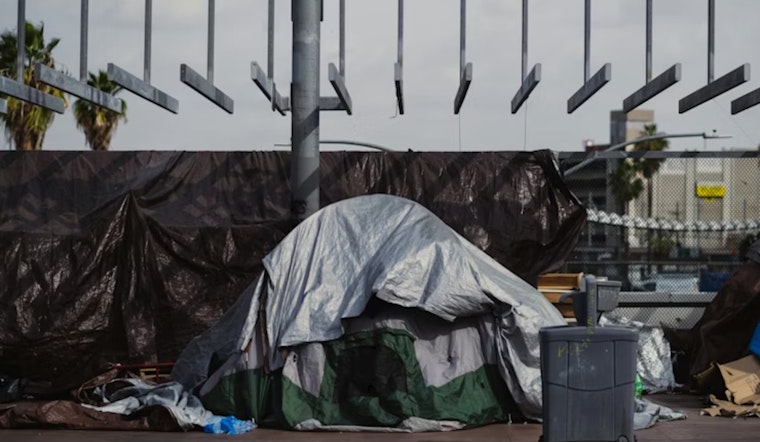
For a brief moment on March 1, MacArthur Park’s south lawn actually looked like the glossy photos in a campaign mailer. Mayor Karen Bass and Councilmember Eunisses Hernandez joined volunteers for a high-profile cleanup, clearing tents, trash, and drug debris from a park long associated with encampments and public-health problems. Within a week, much of that shine was gone, and the trash was back.
As reported by the quickly trashed again cleanup, Hernandez promoted the March 1 "My Community Cleanup" event in a video that also featured Bass. But during a return visit on March 8, MacArthur Park was found "filled again with trash, encampment debris and drug waste," according to the outlet, which also cited a city spending review showing millions of dollars directed to mobile showers, laundry services and hygiene stations in and around the park. Some locals told the outlet the whole thing felt more like a temporary performance than a lasting fix.
City budget documents show that, at least on paper, a lot of money is aimed at addressing exactly those issues this fiscal cycle, with homelessness programs and neighborhood-level supports meant to connect outreach and sanitation. The City Administrative Officer’s FY 2025-26 Annual Homelessness Funding Report lists major funding sources, including roughly $164.3 million in HHAP-5 money, about $54.9 million from Measure A and around $13.9 million from the General Fund. The report also itemizes neighborhood hygiene services for Council District 1, such as a mobile laundry truck and a "Shower of Hope" program, designed to pair sanitation and hygiene with outreach and interim housing so encampments do not simply reappear.
Short-Term Cleanup, Long-Term Problems
Reporters and service providers have repeatedly pointed out that MacArthur Park’s challenges did not start with a single cleanup and will not end with one, either. The Los Angeles Times has chronicled the park’s revolving cycle of encampments, overdose calls and brief interventions, arguing that core drivers such as the region’s housing shortage, addiction and limited outreach capacity demand sustained work. In that light, a one-day volunteer push, however well intentioned, can be overtaken in days if it is not backed by ongoing housing placements and consistent street-level support.
Neighbors And Critics
Merchants and neighborhood advocates told reporters that watching the park slide back so quickly made the event feel more like a show than a solution. At least one critic told the outlet the timing of the cleanup looked tied to political calendars. Those local voices say they are asking for boring, unglamorous basics instead: dependable trash pickup, more frequent sanitation crews and a quicker path from park encampments into housing, rather than single-day events that generate social media clips.
For many residents and business owners around Westlake, real progress is measured by what the park looks like on an average Tuesday morning, not on a cleanup day.
City Response And Next Steps
City officials point to ongoing CARE and Care Plus sanitation teams and interim-housing investments as the longer-term work that does not always make headlines. At a recent City Council hearing, sanitation staff walked members through the difference between quick spot cleanups and more thorough Care Plus operations, explaining that the deeper cleanings usually accompany relocations or housing transitions rather than stand-alone sweeps. Hernandez’s office highlights recurring "Love My Community" events and neighborhood hygiene supports as part of that broader strategy.
The CAO report and council transcripts show that the city has set aside money for hygiene programs and interim housing, while staff also acknowledged the operational and staffing limits that constrain how often full-scale cleanups can happen. For Westlake residents and merchants, the latest cycle at MacArthur Park reinforces a familiar conclusion: special cleanup days are appreciated, but only consistent housing access, outreach and reliable sanitation will change what the park looks and feels like week after week. The money is clearly in the budget. The open question is whether those line items will translate into fewer tents and less trash on the ground.





