

























































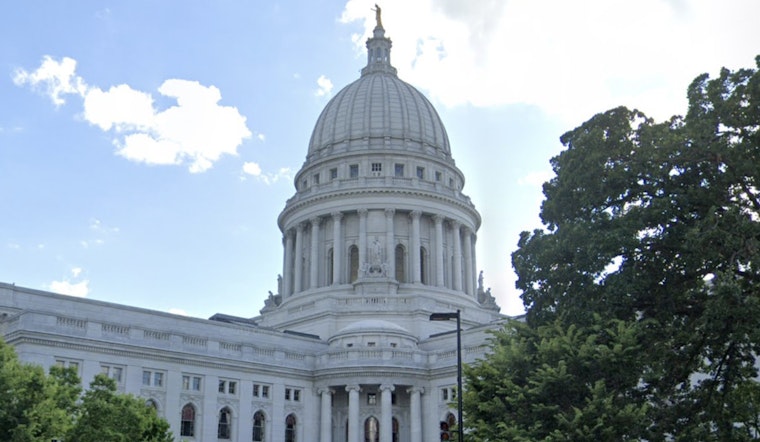
A three-judge circuit court panel in Madison on Tuesday tossed a Democratic lawsuit that sought to redraw Wisconsin’s congressional map, saying the judges lacked authority to overturn the lines. The ruling leaves in place the map the state Supreme Court adopted in 2022 and preserves the GOP-favored 6-2 split in Wisconsin’s U.S. House delegation. Plaintiffs may appeal, but the panel’s decision makes it unlikely any court-ordered change would affect ballot lines for the 2026 midterm election.
In a written order the panel said it had "no basis to find the current congressional map invalid" and concluded that only the state Supreme Court can decide whether the maps should be redrawn, according to AP News. The judges emphasized they were not endorsing the map’s fairness, only stating their lack of jurisdiction to revisit the high court’s 2022 action. The motion to dismiss was filed by members of Wisconsin’s Republican congressional delegation and other defendants.
How the panel was formed
The Wisconsin Supreme Court appointed two three-judge panels under a 2011 statute authored by Republicans, and the panel in this case said the high court provided limited guidance on the scope of circuit court authority, according to WisPolitics. That reporting notes the panel granted the GOP defendants’ motion to dismiss and flagged unanswered questions about whether circuit judges serve as an "arm of the State Supreme Court" or as factfinders. The current map, rooted in lines first drawn after the 2010 census, has produced a six-to-two Republican advantage in the state's eight U.S. House districts.
What’s next
The dismissal can be appealed to the Wisconsin Supreme Court, but it is unclear whether the high court could act quickly enough to alter the 2026 ballot. Republicans praised the panel’s decision and the National Republican Congressional Committee called it "a significant win for Republicans," according to AP News. A separate lawsuit brought by a bipartisan coalition of business leaders remains pending and, if it survives motions to dismiss, is tentatively scheduled for trial in April 2027, according to PBS Wisconsin.
Legal implications
Legal analysts say the ruling highlights a procedural bottleneck: circuit judges told litigants they could not "read into" the state Supreme Court’s earlier orders, which pins the path for substantive relief to the high court and complicates efforts to secure new maps before 2026. Reporting on the court orders and the 2011 statute has emphasized how the panel selection process reshaped the litigation timeline and could delay remedies, according to Wisconsin Public Radio. If plaintiffs pursue an appeal, the state Supreme Court’s next steps will be a closely watched legal and political moment.
For now the ruling keeps the status quo for Wisconsin’s congressional lines and hands the next dramatic chapter to the state’s highest court. Voters and campaigns in Wisconsin face a months-long legal wait that could shape the balance of power in Washington.





