

























































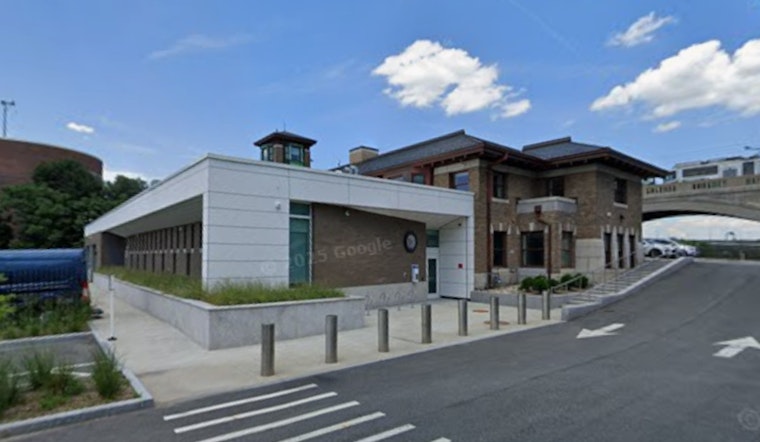
In Marlborough, a new high-security Massachusetts State Police crime lab is poised to rise inside an aging office park, while the landlord quietly works on a very different play: turning nearby corporate real estate into housing. The Commonwealth has locked in a long-term lease for a custom-built forensic facility, and the site owner is floating a residential buildout that recent coverage says could climb into the hundreds of homes. That unexpected pairing is already driving tax deals and zoning talks that will decide whether crime-scene evidence and cul-de-sac living can really share the Campus at Marlboro, according to the Boston Business Journal.
As reported by the Boston Business Journal, the property owner has circulated concepts that would wrap the new lab with a mix of housing types, repositioning portions of the office park as a suburban-style mixed-use neighborhood. That outlet has cast the project as a kind of MetroWest experiment in pairing public safety infrastructure with market-rate homes, all on the same corporate campus.
State lease and lab details
According to a Healey-Driscoll administration press release, the state has signed a 20-year lease for an approximately 200,000-square-foot, four-story crime laboratory at 100 Martinangelo Drive in Marlborough, with two additional 10-year extension options on the table. The release notes that the facility, planned to meet LEED Silver standards, will replace the current Maynard and Sudbury crime labs under one roof, provide space for more than 250 employees, and is slated to begin construction in early 2026 with a targeted opening in early 2028, per Mass.gov.
Developer's mixed-use pitch
The park's owner, Greatland Realty Partners, is pitching the campus as a future hub for lab users while also studying how far it can go with residential conversions and new buildings across the Campus at Marlboro, according to Greatland Realty Partners. Earlier coverage from Banker & Tradesman points out that Greatland has backed zoning changes that would permit up to 100 housing units as part of an office park expansion, a notably smaller number than some of the more aggressive housing counts that have surfaced in other reporting.
Local approvals and incentives
City Hall is already on the field. Marlborough officials have approved a 20-year tax-increment financing package linked specifically to the crime lab and have kicked the broader incentives and permitting issues to the finance committee and planning boards for deeper review. Those moves are documented in council records that track votes and committee referrals as the city refines its approach to luring both the state project and related private investment, according to Marlborough City Council minutes.
Why it matters
Supporters say the new lab will centralize forensic work in a single facility, which they argue should speed up testing timelines and help bolster criminal prosecutions. At the same time, layering in new housing on the same campus would reshape traffic flows and service needs in the surrounding neighborhood, potentially putting family driveways and late-night police evidence runs in closer contact than most planners are used to. Those tradeoffs between a high-intensity public safety use and nearby residential streets have drawn the eye of regional planners and other stakeholders watching the consolidation plan and timeline, as covered by the Worcester Business Journal.
Next steps and timeline
Design work and permitting for the lab are already in motion, and state officials are still targeting an early 2026 construction start with occupancy in early 2028. How much housing actually gets built, and how fast, will hinge on developer filings and city hearings expected this year. The state has argued that using a long-term lease and a build-to-suit model should bring the crime lab online faster than a traditional publicly built project, according to Mass.gov.
For now, the big question is whether a high-security forensic complex can successfully share a planning calendar with a developer chasing MetroWest housing demand. Upcoming city meetings and permit applications will give residents their first real chance to see if this unusual mixed-use vision becomes a regional model or a case study in what not to pair on the same block.


