

























































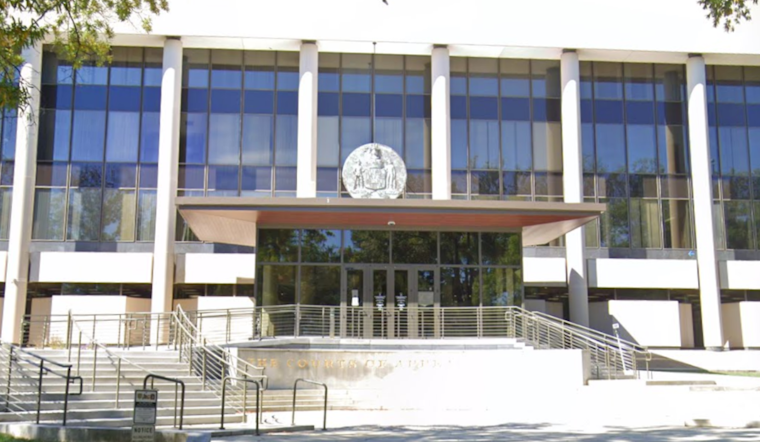
Maryland’s highest court has cleared a long-blocked path to the courthouse for child sex abuse survivors, upholding a state law that lets them sue over assaults that happened decades ago.
In a 4-3 decision, the court upheld the 2023 Child Victims Act, which wipes out old time limits that had kept many civil claims from ever being heard. The ruling means institutions and individuals that once looked legally untouchable because of expired deadlines can now face lawsuits.
The court’s opinion, issued on Feb. 3, 2025, leaned heavily on the idea that defendants do not gain a permanent shield from liability just because a statute of limitations has run out. Chief Justice Matthew Fader wrote that “the running of a statute of limitations does not establish a vested right to be free from liability,” and concluded that lawmakers had the power to retroactively overturn a 2017 provision that had reinstated tighter time limits, according to The Associated Press. The narrow majority left plenty of room for future legal wrangling over who can be sued and how existing claims should move forward.
The decision landed in the shadow of a nearly 500-page investigation by the Maryland attorney general that detailed decades of abuse and institutional failure. State investigators, who began their work in 2019, dug through hundreds of thousands of pages of records stretching back to the 1940s and identified more than 150 clergy and others accused of abusing over 600 children, according to CBS Baltimore.
What The Court Said And What Opponents Argued
Supporters of the law are treating the ruling as a rare second chance for survivors who aged out of the old statute of limitations before they were ready to speak. Critics, though, argue that the state moved the goalposts long after the game should have been over.
In a sharp dissent described by The Daily Record, Justice Jonathan Biran argued that the 2017 provision functioned like a statute of repose, a hard cutoff designed to give defendants certainty that they would not face lawsuits after a set period. Reviving claims that had already expired, he warned, could violate defendants’ vested rights and push the law into unconstitutional territory.
Bankruptcy, A Deluge Of Claims And Policy Reaction
Institutions that had long been bracing for fallout did not wait around to see how the legal theories would play out. Just days before the Child Victims Act was scheduled to kick in on Oct. 1, 2023, the Archdiocese of Baltimore filed for Chapter 11 bankruptcy protection in anticipation of a wave of abuse lawsuits, according to The Associated Press.
The expected surge of claims quickly turned into a policy problem as well as a legal one. Lawmakers and state officials have been working through how to handle the potential financial hit, weighing how much public and institutional money might be on the line. The spike in filings spurred legislative proposals to cap payouts and tweak filing windows, as detailed by Maryland Matters.
Why This Still Matters
The ruling is not some abstract constitutional footnote. Survivors are actively filing and pursuing cases, and courts are still sorting out which claims belong where, how to group them, and who will ultimately pay. Insurers, institutions, and plaintiffs’ lawyers are all jockeying over coverage, responsibility, and strategy.
Survivor advocates have also worked to keep the decision in the public eye. On March 3, 2026, the Survivors Network of those Abused by Priests (SNAP) revisited the ruling and again pressed for transparency, document releases, and broader accountability tied to the court’s opinion, as reported by SNAP Network.
For now, the majority’s decision has opened the legal door for many long-silent claims, but it has not wrapped anything up. Maryland courts can expect drawn-out fights over discovery, damages caps, venue, and insurance coverage as individual lawsuits move ahead and judges decide when, and whether, to bundle some of them together.





