

























































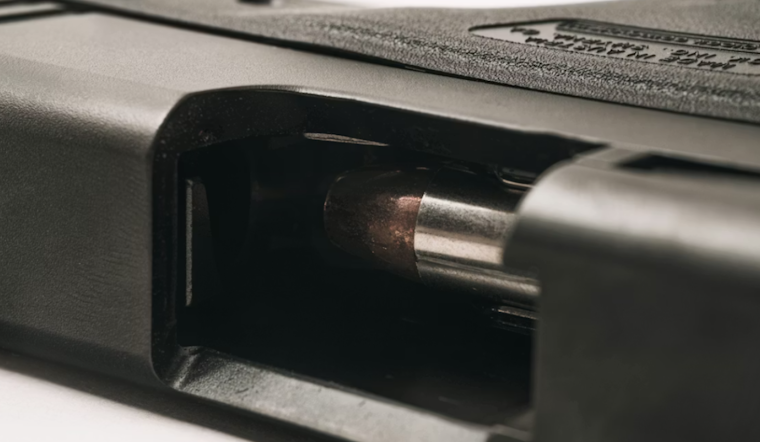
Yesterday, the Maryland Senate signed off on a closely watched gun bill that targets pistols that can be easily converted into automatic weapons, voting 28-16 to approve the measure. The proposal, SB 334, focuses on future commercial sales and does not require current owners to turn in, register, or alter any guns they already have.
What the bill would do
SB 334, carried by Sen. Sara Love, would make it illegal on or after January 1, 2027, to manufacture, sell, purchase, receive, or transfer in Maryland any pistol that qualifies as a machine-gun-convertible pistol. It also instructs the Department of State Police to draft detailed regulations and publish a list of models subject to the ban, according to the Maryland General Assembly. The bill carves out exceptions for law enforcement and allows existing inventory to be sold before the new rules take effect.
Police data and supporters
Police and local leaders told legislators that converted pistols are showing up more often in criminal cases. "The Baltimore Police Department confiscated 47 modified guns in 2025 and 4 so far already this year," the department wrote in its committee testimony, pointing to the October 2023 Morgan State University shooting that investigators say involved a converted handgun, according to Baltimore Police Department testimony. Supporters, including city officials and several prosecutors, have pitched the bill as a narrow design fix aimed at blocking easy conversion, not a broad attempt to seize privately owned firearms.
Lawsuits and industry moves
The legislative push is unfolding alongside a legal fight. In 2025, Baltimore and the state sued Glock, arguing that aspects of the company’s pistol designs have contributed to the spread of illegally converted machine guns, as detailed by Everytown Law. At the same time, Glock has rolled out product updates and new model lines that officials and industry observers say are meant to reduce the likelihood of conversion. In a December press release, Glock highlighted ergonomic and platform changes as it introduced its 6th-generation pistols.
What happens next
Because SB 334 has a cross-filed companion in the House, the bill still needs to clear the House Judiciary Committee and then win a floor vote there before it can head to the governor. As the Senate advanced the bill, the House version was still sitting in committee, according to The Banner. If both chambers sign off on substantially similar language, the new sales restrictions would kick in on October 1.
Opposition and constitutional questions
Critics counter that the proposal goes too far and is practically begging for a lawsuit. Maryland Shall Issue president Mark Pennak told lawmakers the bill would "effectively" drive Glock out of the Maryland market, and Republican Sen. Chris West branded the measure "aggressively unconstitutional" during Senate debate, according to The Banner. Legal analysts say that if the ban on future sales is enacted, it would likely intersect with, and potentially trigger, additional court challenges on top of the ongoing suits the state and city have already filed against the manufacturer.
For now, the Senate vote sets Maryland up as a potential test case. Lawmakers deliberately limited the bill to specific design features and future sales, yet opponents warn that the real-world impact could be sweeping. What happens in the House over the next few weeks, and in any courtroom battles that follow, will determine whether this approach becomes a blueprint for other states or a cautionary tale in the legal record.




