

























































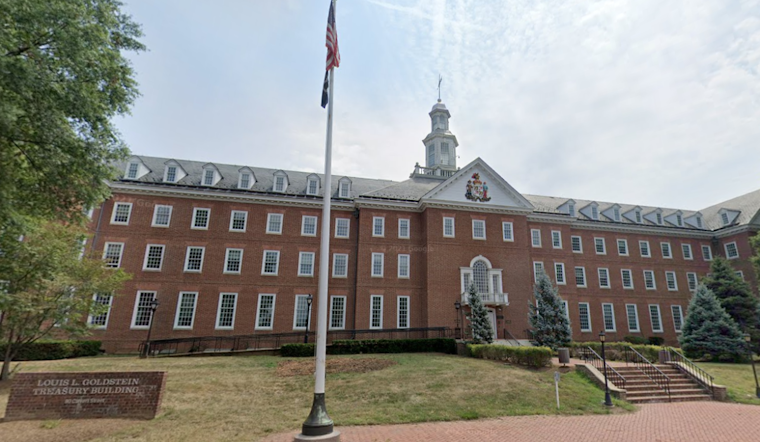
Maryland is putting climate change on the books. The state comptroller’s office has kicked off a sweeping fiscal review that aims to put a hard dollar figure on what rising seas, heavier rains, and other climate impacts are already costing residents, and what they are likely to cost in the years ahead. The multi-phase assessment will total up damages taxpayers have already absorbed, project future losses tied to sea-level rise and extreme weather, and spell out the price tag for both mitigation and adaptation. Officials say draft briefings and phased updates are expected this year, with a final report slated for late 2026.
According to the Southern Maryland Chronicle, the Office of the Comptroller announced yesterday that work has started on the legislatively mandated “Climate Change Adaptation and Mitigation – Total Assessed Cost of Greenhouse Gas Emissions” study and that an interagency workgroup will hold its first meeting on March 30. The outlet also reports that the Maryland Clean Energy Center has tapped a nonprofit, the Center for Climate Studies (CCS), to build the climate and economic datasets that will drive the analysis.
What the study will count
The law and project plan take a broad view of what counts as a climate cost. The team must tally historical and projected expenses linked to public health, natural resources, infrastructure, flood preparedness and safety, housing, economic development, and agriculture. They are required to estimate what the state and its residents have already paid, what they are likely to pay, and what it will cost to mitigate emissions and adapt to a changing climate. The legislation authorizes the comptroller to bring in outside consultants and requires the final report to calculate a “total assessed cost” that can guide future financing and policy choices. The enrolled bill from the Maryland General Assembly spells out the deliverables and the program definitions that will shape the work.
Numbers to watch
Maryland’s previous comptroller analysis estimated that 85 extreme weather events between 1980 and 2024 translated into roughly 10 billion to 20 billion dollars in costs to the state, a baseline the new study is meant to refine and break down by sector and payer. Turning those big-picture estimates into line items for things like roadway and stormwater repairs, seawalls, housing retrofits, and public health impacts sits at the core of the new modeling effort. An April 2025 brief from the Maryland Office of the Comptroller supplies much of the background data the new study will build on.
Timeline and transparency
State officials say the project will roll out in stages, with draft materials, technical briefings, and public updates released before the final report lands next year. The inaugural interagency meeting is set for March 30, and the law includes a reporting deadline in 2026. The initial reporting milestones, the March 30 meeting, and the statutory due date for the comptroller’s submission are laid out in HB 0128, available through the Maryland General Assembly.
Legal and political stakes
The study is as much about politics as spreadsheets. Lawmakers and advocacy groups see it as setting the stage for future fights over who should pick up the tab for adaptation and climate damage. Legal summaries note that the statute was heavily amended before passage so that it focuses on an independent fiscal accounting rather than immediate liability or cost-collection provisions, which means the numbers are meant to inform later decisions, not automatically trigger enforcement or recovery actions. A JD Supra summary and statements from groups such as the Chesapeake Climate Action Network stress that a rigorous, transparent price tag could still drive future funding choices and accountability proposals.
The comptroller’s climate accounting will be a rare state-level attempt to put a bottom line on both damages and adaptation needs, and the findings are likely to surface in next year’s budget debates and resilience planning. Counties, coastal communities, and legislators will be watching each phase of the rollout to see which investments promise to reduce fiscal risk and how the state might limit taxpayer exposure as Maryland adjusts to higher tides and more intense storms.



