

























































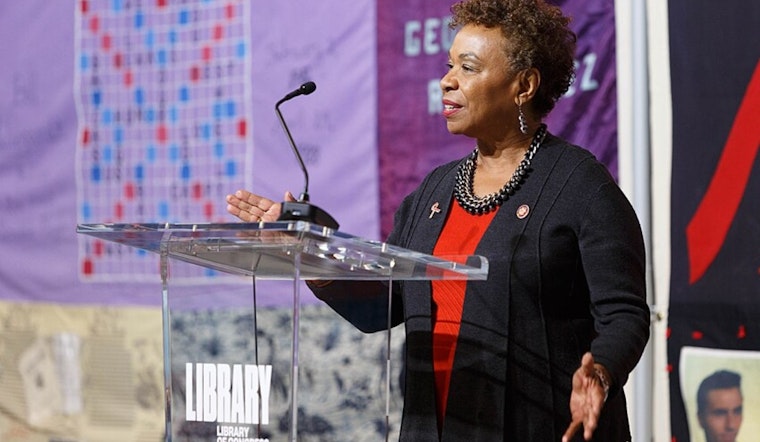
Oakland Mayor Barbara Lee is laying it all on the line with a new homelessness strategy that promises to cut the city’s street homelessness in half within five years. The plan shifts Oakland away from large-scale encampment sweeps and toward prevention, rapid rehousing, and a centralized Office of Homelessness Solutions. It also comes with a hefty price tag and a brewing political battle over who controls a big slice of the county's Measure W money.
What’s in Lee’s plan
Lee wants the city to go bigger on prevention, outreach, and housing production through a five-point plan anchored by a new coordinating office. As described in a release from Mayor Barbara Lee's Office, the Office of Homelessness Solutions will pull together work across city departments, track results, and carry out a forthcoming Homelessness Strategic Action Plan. Lee is pitching the effort as grounded in racial equity and evidence-based interventions, rather than short-term crackdowns.
The scale of the challenge
The goal starts from a tough baseline. Oakland has about 5,500 unhoused residents, with roughly 3,700 of them living unsheltered, and more than 2,500 people fall into homelessness each year, while city programs currently house only about 1,500 annually, according to the San Francisco Chronicle. That mismatch, with more people entering homelessness than exiting into housing, is at the heart of Lee’s argument that prevention has to be the front line. As one resident told the paper, "We're homeless, not hopeless."
Where the money would come from
To pay for the plan, Lee is eyeing a large share of newly available county money alongside local and philanthropic funds. County Measure W sales tax revenue, finally being distributed after years of legal wrangling, is projected to generate about $1.4 billion for homelessness over the life of the tax, and Lee has pushed for Oakland to receive roughly 65% of that total, as reported by KQED. At the same time, an Oakland City Auditor report found the city spent nearly $69 million on homelessness contracts over a recent three-year review period without adequately tracking outcomes, a problem advocates say has to be fixed before the city ramps up spending. You can see the audit from the Oakland City Auditor.
Cost, capacity and the hard math
The price of Lee’s vision climbs quickly. The plan’s authors peg the annual operating cost at about $406 million, which is roughly $284 million more than what the city and county are spending now, and they call for adding about 860 interim housing beds over five years to bring total interim capacity to around 2,000, according to the San Francisco Chronicle. That same reporting notes that a typical affordable housing unit in the East Bay can cost about $800,000 to build, with around $20,000 a year in operating costs, which helps explain why Lee is also courting philanthropy and floating the idea of a future ballot measure.
Can she deliver?
Getting to a 50% reduction will take more than a detailed blueprint. The city will need to move projects faster, tighten oversight of contracts, secure county agreement on Measure W allocations and show visible progress to keep voters and donors engaged. Lee enters this fight with political capital and a clear framework, but Oakland’s record of slow housing production and uneven performance from service providers means City Hall will have to produce quick, verifiable wins. If Oakland can close its data and accountability gaps, and if the county and private funders come through, the target is within reach, though far from guaranteed.





.jpg)