

























































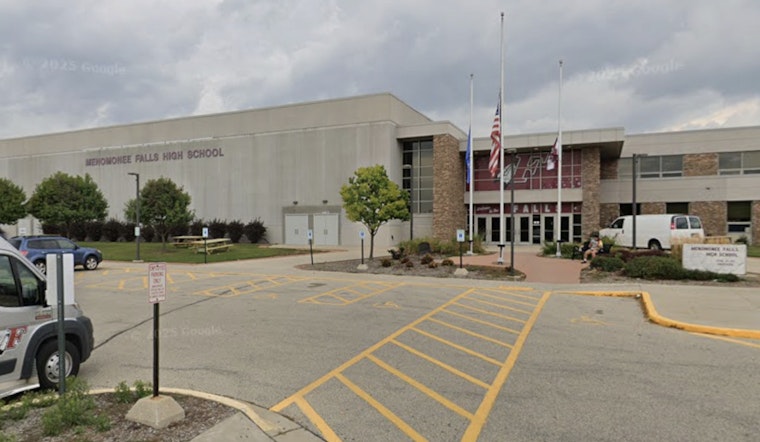
The already tense Menomonee Falls school board race has leapt from social media to an actual courtroom.
Jefferson Davis, a Menomonee Falls resident and candidate for the local school board, filed a defamation lawsuit on March 18 in Waukesha County Circuit Court. The complaint names an anonymous Facebook user who goes by the pseudonym "Danielle Walsh" and two Menomonee Falls residents, Sheila Witt and Nathan Greenleaf.
According to the Milwaukee Journal Sentinel, the suit lists the three defendants by name or pseudonym and alleges that Facebook posts about Davis were false and damaged his reputation, as described in the filing summarized by the paper.
Case Filed In Waukesha County Circuit Court
Per the Waukesha County Circuit Courts website, civil cases in the county are filed at the Waukesha County Courthouse at 515 W. Moreland Blvd. The clerk's office there provides public access to court records, and the site explains how to search court calendars and request copies of documents in pending and closed cases.
That means anyone looking to follow the case as it moves forward will have to turn to the official court record, not just the Facebook feed.
What A Defamation Suit Has To Show
To win a defamation case, a plaintiff generally must show that a false statement was presented as fact, that it was communicated to others, that the speaker was at fault, and that the statement caused harm. The Legal Information Institute notes that truth and opinion are common defenses, and that public figures face a higher "actual malice" standard when they go to court over speech.
In practical terms, the legal fight usually turns on the exact wording of the disputed statements and what evidence exists to back them up or knock them down.
Local Fallout In A Heated Race
For a candidate, filing a civil defamation suit can be a way to pursue retractions or money damages. It also guarantees that the contested claims are preserved in a public file right in the middle of a campaign, where voters and opponents can read every word.
Defendants in such cases can respond with arguments that the statements were true, were protected opinions, or were otherwise privileged. How this case plays out will hinge on the specific language quoted in the complaint and the evidence each side brings to support its version of events.
The Milwaukee Journal Sentinel reported that it sought comment from Davis and from the individuals named in the complaint but did not immediately receive responses. Upcoming court filings will outline the next steps and show whether the lawsuit moves ahead, is thrown out, or ends in a private resolution away from both the courtroom and the comment section.





