

























































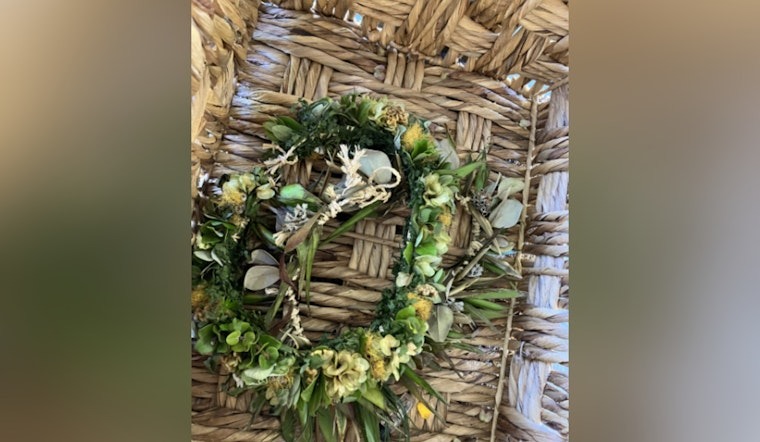
Visitors flying into Hilo for the Merrie Monarch Festival are getting a clear message from state officials: enjoy the ʻōhiʻa while you are here, but do not take it home. With rapid ʻōhiʻa death still ravaging native forests, inspectors will be on the lookout for any ʻōhiʻa plant material heading off Hawaiʻi Island. Intercepted lei and greenery will be collected at airports and returned respectfully to island forests, and University of Hawaiʻi staff will set up hoʻihoʻi baskets at festival sites so people can give back their lei properly. The Merrie Monarch Festival runs April 5–11, 2026.
State reminder and rules
The Hawaiʻi Department of Agriculture & Biosecurity is reminding travelers that a permanent inter-island quarantine, first put in place as an emergency rule in 2015 and finalized in 2016, still makes it illegal to move ʻōhiʻa plants, flowers, leaves, seeds, stems, twigs, untreated wood, logs, mulch, green waste, frass or any soil off Hawaiʻi Island without a Plant Quarantine Branch permit, according to the Hawai‘i Department of Agriculture & Biosecurity. Officials warn that even cutting or carrying ʻōhiʻa can spread fungal spores on tools, shoes, vehicles and clothing. The only legal movement is under strict phytosanitary conditions after inspection and permitting.
Inspections at Hilo and Kona
Plant Quarantine Branch inspectors will staff checkpoints at Hilo and Kona airports during the Merrie Monarch travel rush, collecting any ʻōhiʻa material they find so it can be returned to Big Island forests, and University of Hawaiʻi teams will offer hoʻihoʻi baskets at festival venues for people who want to leave lei behind, as reported by Hawaii News Now. During last year’s travel period, inspectors in Hilo intercepted 27 lei poʻo, a sign of how easy it is for well-meaning visitors to accidentally move restricted plant material. Travelers who are not sure whether something is allowed are urged to hand it over to inspectors instead of trying to take it off the island.
What rapid ʻōhiʻa death has done
Rapid ʻōhiʻa death is driven by two invasive fungi, now named Ceratocystis lukuohia and Ceratocystis huliohia. The state’s 2026 Rapid ʻŌhiʻa Death Strategic Response Plan reports that the outbreak has killed more than a million ʻōhiʻa trees on Hawaiʻi Island and that the disease has also been detected on Kauaʻi in 2018 and Oʻahu in 2019. The two pathogens behave differently, with C. lukuohia acting as the more aggressive “destroyer” and C. huliohia causing a slower canker-style decline. Research is underway to slow the spread and build resistance, according to the DLNR Rapid ʻŌhiʻa Death Strategic Response Plan. For now, scientists and land managers say the simplest and most effective step is to avoid moving any ʻōhiʻa or other plant material between islands.
Penalties and permits
Ignoring the quarantine is not just bad stewardship, it is a crime. Violations can lead to misdemeanor charges and fines that range from $100 to $10,000, and a second offense within five years can bring fines of $500 to $25,000. Moving any regulated material off Hawaiʻi Island without a permit is not allowed, according to the Hawai‘i Department of Agriculture & Biosecurity. Permits are issued only through the Plant Quarantine Branch and may require testing or treatment before any movement is cleared. Travelers who need inspection or permit details can call Plant Quarantine offices in Hilo at 808-961-9393 or Kona at 808-326-1077.
Bottom line for visitors
For hālau and visitors headed to Merrie Monarch, the easiest way to help protect Hawaiʻi’s forests is simple: leave all ʻōhiʻa on Hawaiʻi Island, and drop off any lei or cut flowers with quarantine staff or in the hoʻihoʻi baskets set up at festival sites. Event and travel information is available on the festival website, and the state response plan breaks down why these protections matter, according to Merrie Monarch and the DLNR ROD plan. Anyone with questions about plant material before they travel is encouraged to call the Plant Quarantine Branch using the numbers above.





