

























































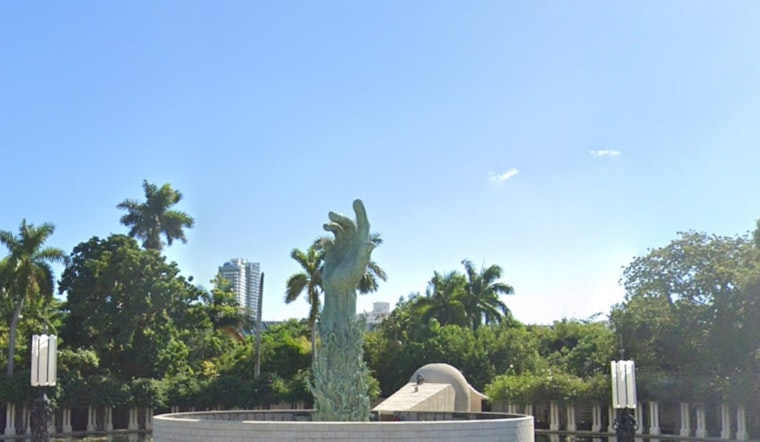
Visitors to the Holocaust Memorial Miami Beach will soon be able to sit down and hold simulated, real-time conversations with Holocaust survivors, thanks to a new Education Center opening Sunday, March 22. Using filmed, interactive interviews, the installation lets guests ask questions and hear first-person responses recorded by survivors, an appointment-based indoor extension of the outdoor memorial designed to preserve testimony as the generation of eyewitnesses ages.
The memorial’s website describes the new facility as a “transformative space” for survivor testimony, digital storytelling and immersive learning, and notes that reservations for the March 22 grand opening are now available. The site also highlights free admission to the memorial and expanded capacity for school programs and public events, signaling a major boost to its educational reach. Holocaust Memorial Miami Beach.
How the technology works
At the heart of the Education Center are USC Shoah Foundation’s Dimensions in Testimony interactive biography exhibits, which pair specially filmed survivor interviews with advanced display technology and natural-language matching software. Visitors pose questions out loud, and prerecorded answers are cued up to respond, creating the experience of a live conversation.
The project is described by the Shoah Foundation as a way to preserve the give-and-take of speaking directly with survivors, so future generations can still ask them questions and hear their stories long after those eyewitnesses are no longer able to appear in person. USC Shoah Foundation.
Survivors and stories
Local TV cameras recently recorded 101-year-old survivor Jack Waksal watching an interactive interview of himself on a screen, as the on-screen simulation sang a song and fielded questions from the audience. Waksal told reporters, “Every word that I tell you here is what I saw with my own eyes,” underscoring the weight and authenticity of the recorded testimony. Exhibit staff say the interactive videos are meant to keep that kind of firsthand account accessible to students and visitors well into the future. WSVN.
Local context
The new center will also feature virtual-reality films and a library of survivor media. Reporting on the project notes that visitors will be able to watch a VR film created by survivor Rodi Glass along with other immersive works that place viewers inside reconstructed scenes from survivor narratives. Miami Herald coverage (republished by AOL) details those productions.
Sheri Zvi, the memorial’s CEO, has called the Education Center a “natural evolution” that will help the organization grow its school programming and outreach. She told Miami Today the space will expand free access and programming for students across the county, aligning Miami Beach with a broader museum movement that is racing to capture survivor testimony through technology while firsthand witnesses can still participate.
For Miami Beach, the Education Center serves both as a local cultural and memorial resource and as part of a larger effort to preserve eyewitness accounts in durable, interactive formats. Reservations for the March 22 opening are listed on the memorial’s website, and tours of the new center will be offered by appointment. Holocaust Memorial Miami Beach.



