

























































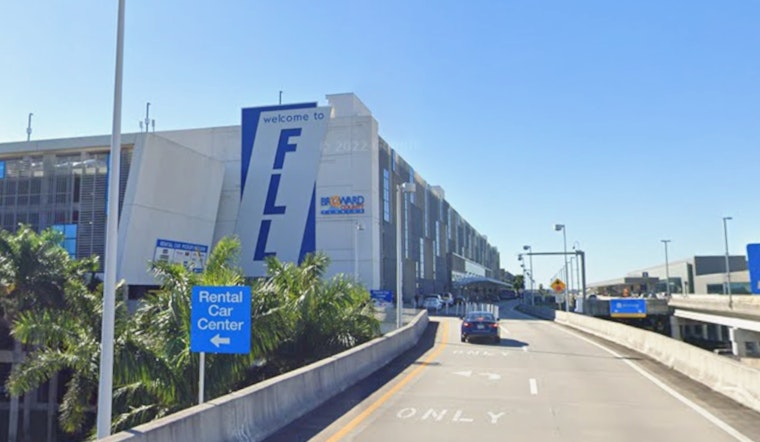
Late Thursday at Fort Lauderdale-Hollywood International Airport, the runways turned into a high-stakes training ground as crews carried out a full-scale nighttime emergency drill built around a worst-case scenario: a multi-aircraft collision with more than 200 people on board.
Codenamed Operation Night Owl, the exercise filled a corner of the airfield with volunteer role players, ambulances and temporary command centers while teams walked through triage and family-reunification procedures. Organizers said the point was to see how well multiple agencies can move in sync when the pressure is on and the clock is ticking.
As reported by WSVN, more than 35 agencies took part, from hospitals to federal partners and aviation businesses, working through how they would treat injured passengers and coordinate reunification efforts. The drill unfolded near Griffin Road and South Perimeter Road and continued until about 12:30 a.m. Friday.
FAA mandate and the triennial test
Federal rules do not leave this kind of preparation to chance. Certificated airports are required to hold a full-scale emergency exercise at least once every 36 months as part of their operating-certification duties under 14 CFR § 139.325, according to the e-CFR. These triennial events give FAA inspectors and airport partners a live-fire opportunity to evaluate Emergency Plans, incident-command structures and communication flows.
FLL’s triennial routine
Broward County's aviation department has been here before. In 2023, its full-scale drill, dubbed Operation Convergent, simulated a two-aircraft collision, activated a family assistance center and involved multiple hospitals and agencies, according to a Broward County news release. The county said these efforts are meant to test search-and-rescue, triage and hospital surge procedures as part of FAA Part 139 requirements.
What the drills really test
Exercises like Operation Night Owl are about much more than putting out hypothetical fires. They pressure-test patient tracking systems, radio interoperability, hospital surge capacity and coordinated public information work, areas that after-action reviews and studies frequently flag, the National Academies note. Catching communication and logistical problems during a drill lets agencies tighten up procedures before a real emergency ever hits the runway.
What travelers should know
Broward County has previously explained that these staging areas are set up so that terminal operations and public roadways stay out of the blast radius of the exercise, and travelers generally should not expect disruptions when drills are underway. Neighbors and motorists near the airfield, however, may have noticed an unusually heavy presence of emergency vehicles and activity along perimeter roads while Night Owl played out.
Officials cast Operation Night Owl as a sober rehearsal for a crisis no one wants to see but everyone involved is obligated to be ready to handle. Airport and county leaders describe these drills as a routine, federally required piece of keeping air travel safe and making sure partner agencies can move fast if the unthinkable ever becomes real.





