

























































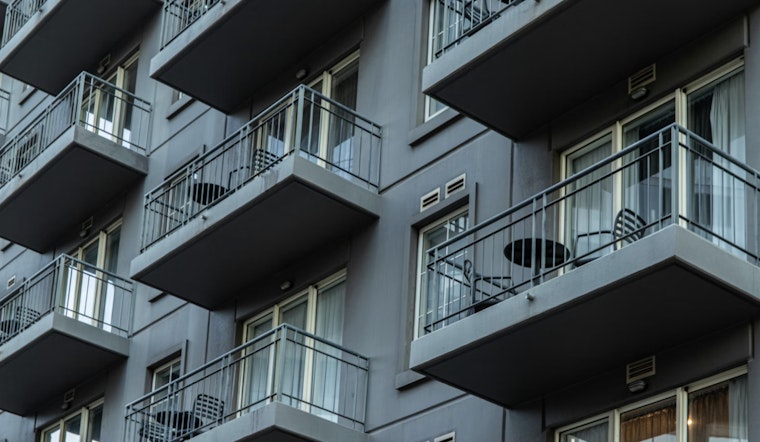
Milwaukee’s rental script flipped hard in 2025. After years of tight inventory and landlord-friendly leases, apartment seekers are suddenly walking into a very different market, with vacancy rates more than doubling and a lot more choice on the table. Owners who once dictated every term are now dangling concessions in some buildings as fresh supply outpaces demand. Blocks that sparked bidding wars a year ago now have open listings and shorter application lines.
According to Realtor.com, the Milwaukee metro’s rental vacancy rate jumped from 4.9% in 2024 to 10.8% in 2025, the biggest swing among the nation’s 50 largest metros. The report notes that higher vacancy rates in many big-city markets shifted negotiating power toward renters in 2025.
CBS58 reports that Milwaukee realtor Tristaca Patrick‑Yarbrough is telling clients to lean into that leverage. “It is a renter’s market,” she said, encouraging applicants to ask for perks like a free month of rent or reduced deposits. Some renters told the station they were surprised to finally see real availability after years of stiff competition, and local agents say leasing offices are again rolling out move‑in specials. Taken together, those shifts are giving apartment hunters genuine bargaining power in certain neighborhoods.
What Is Driving The Jump
Developers brought a wave of market‑rate apartments online from 2019 through 2024, and permitting activity surged over that stretch, Realtor.com reports. Permits rose from roughly 700 units in 2019 to about 2,016 in 2024, and much of that new stock is aimed at higher‑income renters. That tilt has left some downtown and suburban Class A properties sitting on more empty units than they would like. Elevated mortgage rates kept some would‑be homebuyers in the rental pool longer, but not in large enough numbers to soak up all the freshly built apartments.
Not All Renters Benefit
City planners caution that a flood of market‑rate units does not automatically translate into relief for lower‑income households, who still face a shortage of affordable, workforce housing. The City of Milwaukee points in its Housing Element to the need for targeted policies that preserve and create affordable units, even as it acknowledges that new luxury buildings can exist alongside persistent affordability gaps. The result is that many renters at the lower end of the income scale may feel little to no easing of pressure, even while vacancy climbs in the higher‑end segment.
What Happens Next
All eyes are on whether this is a short‑term blip or a real turning point. If vacancy starts to tighten again, landlords are expected to quietly scale back today’s incentives. New leasing and permitting data due later this year should help reveal whether 2025 marked a lasting shift. For now, many Milwaukee renters enjoy more options and stronger bargaining power in specific slices of the market, while planners and housing advocates keep pressing for focused efforts on affordability and long‑term preservation.





