

























































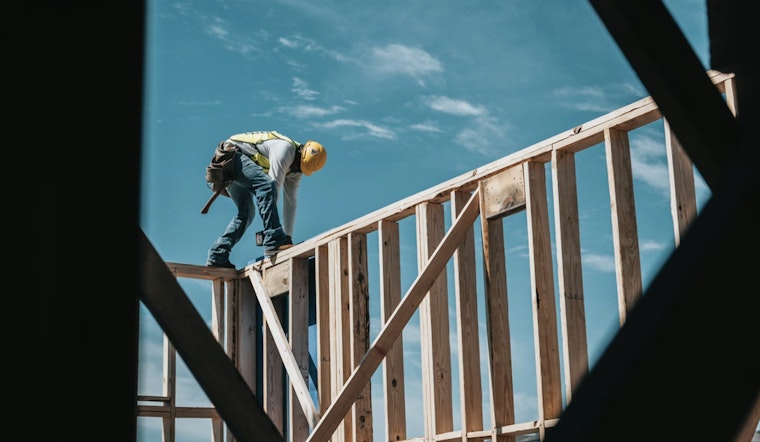
New retail construction around Milwaukee is tapping the brakes hard, with true ground-up projects becoming rare while landlords pivot to targeted rehabs to keep space filled. Instead of unveiling fresh shopping centers, owners are sinking money into facade work, HVAC, and tenant buildouts so older properties can still compete. The result: fewer splashy big-box announcements and more quiet turnover inside existing corridors.
As reported by the Milwaukee Business Journal, developers and landlords say soaring materials and labor costs, combined with high interest rates, are making new construction tough to justify. The outlet notes that the local retail market has largely "stopped building and started renovating," a shift that brokers and owners now treat as the default playbook.
National headwinds: costs and credit
Milwaukee is hardly an outlier. In its 2025 retail outlook, Colliers reported that new retail development nationally sits at historically low levels, as elevated construction costs and financing challenges make speculative projects difficult to pencil out. Industry data summarized by NAHB’s Eye on Housing shows that prices for building-material inputs remain above pre-pandemic baselines, keeping developer budgets tight.
Between higher bids for steel, equipment and skilled labor, along with more expensive debt, many projects that would have worked financially a few years ago no longer deliver returns that investors find acceptable. The math, in other words, is not cooperating.
Milwaukee's pivot: retrofit, convert and mixed-use
Local market reporting from CoStar highlights demolitions and conversions around mall sites, showing how owners are repurposing existing footprints instead of waiting for a new wave of greenfield retail. Old structures are coming down so properties can be reshaped, not necessarily rebuilt as traditional shopping centers.
At the same time, recent marquee projects have been residential-led mixed-use towers, such as The Couture and 333 N. Water, that tuck street-level retail underneath housing rather than revive large, single-use retail complexes, according to Urban Milwaukee. That blend is changing which tenants see Milwaukee as a fit and how they negotiate their leases.
What owners and small retailers are doing
Landlords told the Milwaukee Business Journal they are putting capital into upgrades that immediately boost a center's leaseability. Think improved HVAC, roof repairs, parking lot work, electric system improvements, and fresher facades, rather than pouring money into speculative pad sites that might sit empty.
For local and independent retailers, that often translates into more short-term and flexible leases in spruced-up centers, or pop-up style arrangements inside mixed-use projects. Neighborhood advocates say targeted reinvestment can give older corridors a lift, even if it delays the arrival of big anchors that traditionally bring heavy foot traffic and jobs.
What to watch next
Developers are watching borrowing costs and construction-price indexes closely. If interest rates ease and material inflation cools, some may cautiously edge back toward ground-up retail. According to Colliers, any rebound is likely to favor projects that are pre-leased or focused on grocery-anchored or mixed-use formats.
For now, Milwaukee's retail landscape looks set to evolve through conversions, rehabs and tightly focused reinvestment, rather than a rush of new strip centers or fresh big-box builds.





