

























































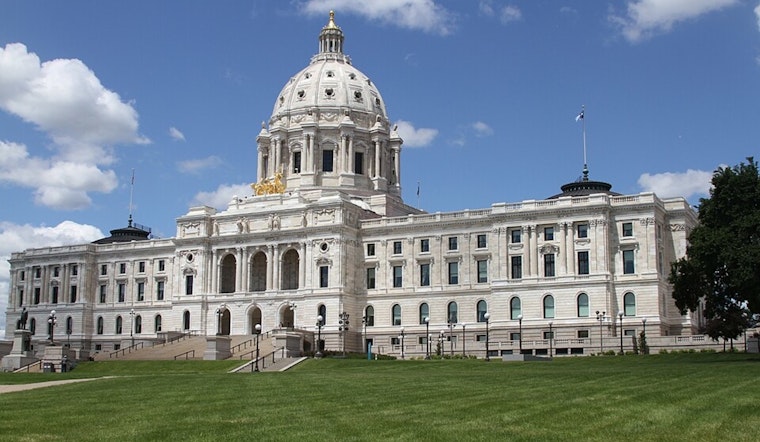
Democratic lawmakers at the Minnesota Capitol are aiming for what critics call “surveillance pricing,” rolling out a pair of bills that would stop companies from using shoppers’ personal data, like location, browsing history, or biometric identifiers, to quietly charge different customers different prices. One proposal zeroes in on grocery stores, while the other targets surveillance-based price and wage discrimination across the board. Both are on the Commerce Finance and Policy Committee’s agenda for a hearing on Wednesday.
House File 3408, led by Rep. Carlie Kotyza‑Witthuhn and DFL co-authors, would add a new section to Minnesota law that defines and forbids “surveillance-based price setting.” That includes using facial recognition, sensors, or other electronic surveillance to tailor prices for individual customers. The bill carves out explicit exceptions for bona fide group discounts and loyalty programs and sets out notice and consent rules for biometric verification, according to the bill text at the Minnesota Revisor's Office.
A companion measure, House File 3794 from Rep. Emma Greenman, would prohibit surveillance-based price and wage discrimination more broadly and was also referred to the Commerce, Finance, and Policy Committee. The Revisor’s record shows HF 3794 was introduced Feb. 26 and lists Rep. Erin Koegel as a co-sponsor, per the Minnesota Revisor's Office.
What the bills would do
Under HF 3408, a retail food store would be barred from using an electronic shelf label to change the price of an item for a specific consumer, and larger stores would be required to use a nondigital display and limit electronic price changes to once per day. The bill would also require clear, plain‑language signage at store entrances when facial recognition is in use, and it conditions any biometric verification on a written release and a ban on selling those biometric records to third parties, according to the bill text at the Minnesota Revisor's Office.
Why regulators are watching
Lawmakers and privacy advocates point to national research that shows firms and intermediary vendors can and do use a wide range of personal data to target prices and promotions to specific consumers. Staff research summaries from a 6(b) market study at the Federal Trade Commission found that companies and pricing intermediaries use signals such as precise location, browsing history, and purchase behavior to inform individualized pricing strategies. On Data Privacy Day, the California Attorney General's Office launched an investigative sweep asking major retailers whether they use consumers’ data to set targeted prices.
Industry pushback and legal fights
Retail trade groups have pushed back on similar measures in other states, arguing that disclosure mandates or outright bans could interfere with legitimate pricing tools and amount to compelled speech. The National Retail Federation filed suit to block New York’s algorithmic‑pricing disclosure law, contending the requirement forces retailers to use government‑scripted language. Courts and commentators have already weighed that litigation and its implications for future state rules, as noted by Forbes.
What's next
Both Minnesota bills are slated for a Commerce Finance and Policy Committee hearing on Wednesday at the State Capitol, where the Office of the Attorney General is also scheduled to present on the state’s consumer data privacy law. The House publishes committee agendas, handout rules, and a live webcast on its website for anyone who wants to follow testimony or submit written comments, according to the Minnesota House of Representatives.
Legal implications
If enacted, HF 3408 would add a new consumer‑protection provision to Minnesota Statutes chapter 325D and place new limits on how retailers can use surveillance tools to set prices. Minnesota’s consumer‑protection framework generally empowers the attorney general to investigate unfair or deceptive trade practices, and the introduced bill text does not create an obvious private right of action or a separate new penalty scheme beyond existing enforcement authorities, according to the Minnesota Revisor's Office.
Supporters say the measures are designed to protect shoppers and preserve transparent pricing, while retailers warn that rapid, data‑driven pricing tools can lower costs and that state bans or disclosure mandates carry compliance costs. The committee hearing will reveal whether either proposal gains traction this session. Initial reporting on the bills and the hearing was filed by MPR News, and Hoodline will follow testimony and amendments as they unfold.





